September 22, 2026
Maintaining the structural integrity of a home is one of the most critical responsibilities of property ownership. The roof serves as the primary barrier against heavy rain, intense UV radiation, wind, and severe winter weather. When unexpected leaks appear, or shingles begin to show signs of wear, property owners are faced with a challenging financial and logistical decision. Determining whether a system requires a minor targeted fix or a complete tear-off impacts both short-term budgets and long-term property values. Taking immediate action at the first sign of trouble prevents secondary damage to interior ceilings and personal belongings.
Navigating the choice between minor repairs and a full overhaul requires a clear understanding of building materials, structural health, and overall wear. According to a 2025 survey conducted by This Old House, approximately 31% of homeowners across the nation have undertaken roof repairs, maintenance, or renovation projects within the past three years. Taking a proactive approach allows individuals to extend the operational lifespan of their existing materials while avoiding catastrophic interior water damage. Consulting a qualified roofing contractor can help identify hidden vulnerabilities before minor issues escalate into major structural failures.
Evaluating Overall Age and Material Lifespan
Every roofing system operates on a finite timeline determined by its underlying materials, local climate, and initial installation quality. Traditional three-tab asphalt shingles generally offer an operational lifespan of fifteen to twenty years, whereas architectural shingles can endure up to thirty years with proper maintenance. Alternative materials like standing seam metal, natural slate, or clay tiles frequently last fifty years or longer. Over time, constant exposure to atmospheric elements slowly breaks down even the highest-grade protective coatings.
When assessing a damaged surface, comparing the current age of the system against its expected service life provides essential context. If an asphalt surface is only seven years old and experiences localized storm damage, isolated restoration is typically the most economical solution. However, if a twenty-year-old assembly begins developing recurring leaks, investing in piecemeal fixes yields diminishing returns. An experienced roofing contractor can evaluate whether the underlying composite materials have lost their flexibility and structural integrity, making a full replacement necessary.
Assessing the Extent of Physical Surface Damage
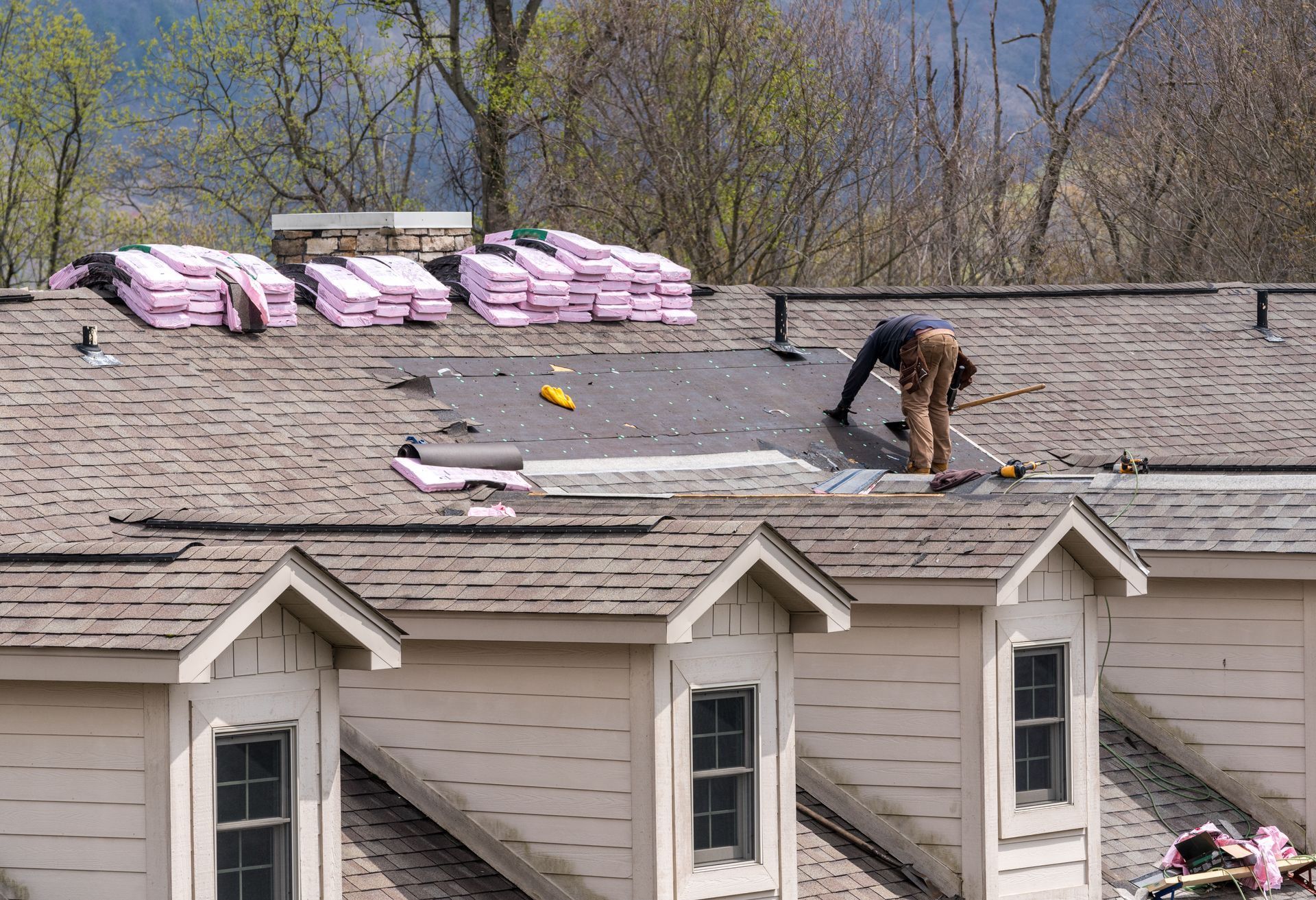
The physical size and concentration of visible damage strongly influence the appropriate course of action. Isolated issues—such as a few missing shingles following a windstorm, damaged flashing around a chimney, or a minor puncture from a fallen tree branch—are prime candidates for targeted repair. These isolated problems can be corrected quickly without disturbing the surrounding structural framework.
Conversely, widespread physical deterioration indicates systemic failure across the entire assembly. Widespread shingle curling, severe granule loss filling the gutters, widespread buckling, or extensive blistering across multiple slopes signal that the surface material can no longer shield the structure. When damage covers more than thirty percent of the total surface area, partial patching creates an uneven barrier that leaves the home vulnerable to ongoing leaks. Partnering with a licensed roofing contractor ensures that the total area of degradation is measured accurately using physical inspections and thermal moisture mapping.
Identifying Active Leaks and Interior Water Contamination
Water intrusion represents one of the most destructive threats to a building's interior framework. When water penetrates the exterior shingles, it travels along underlying wood decking, rafters, and insulation before dripping through interior ceiling drywall. Tracing the exact origin of a leak is notoriously difficult because water frequently enters at one point on the roof deck and travels several feet laterally before dripping downward.
A single, localized leak caused by compromised pipe boot flashing or a slipped tile can usually be resolved with a targeted repair. However, if multiple active leaks manifest across different rooms during a single rainstorm, the protective underlayment has likely degraded throughout the system. Allowing moisture to remain trapped inside ceiling cavities encourages rapid mold growth and rots structural wood assemblies. A thorough evaluation by a professional roofing contractor will reveal whether the internal decking remains dry or if extensive water saturation demands a complete structural tear-off.
Analyzing Cost Differences and Future Financial Planning
Financial considerations inevitably drive the decision-making process for most home improvement projects. Minor surface fixes require significantly less immediate capital outlay compared to a full system replacement. For homeowners operating under tight budget constraints, patching an active problem provides immediate protection while allowing time to arrange long-term financing. Planning financially helps prevent the stress of emergency spending when severe weather hits.
However, repeated temporary fixes on an aging system can quickly surpass the cost of a full installation over time. Continuously paying service call fees, emergency patching costs, and interior drywall repairs drains financial resources without solving the underlying structural decline. Furthermore, installing a completely new assembly increases overall property valuation, improves curb appeal, and often qualifies the homeowner for lower insurance premiums. A reputable roofing contractor can provide detailed, transparent cost estimates for both short-term remediation and long-term replacement options to guide financial planning.
Reviewing Local Climate and Severe Weather Exposure
Geographic location plays a major role in how materials age and how well repairs hold up over time. Properties subjected to extreme seasonal weather—such as severe hail, heavy snow loads, hurricane-force winds, or intense high-altitude sunlight—experience accelerated material wear. In regions prone to severe weather, a compromised surface is far more likely to suffer sudden catastrophic failure during the next major storm.
Isolated repairs in severe climates must be executed with extreme precision to prevent high winds from ripping away newly installed patches. When existing shingles become brittle from sun exposure, nailing new shingles adjacent to old ones can crack the surrounding material, creating new leak pathways. Homeowners living in harsh weather zones should have a certified roofing contractor inspect the structural bond between old and new materials before deciding to patch rather than replace.
Understanding Energy Efficiency and Ventilation Performance
Modern roofing systems do far more than simply shed rainwater; they form an integral part of a building's thermal envelope and attic ventilation system. Older surface installations often lack modern synthetic underlayments, ice and water shields, or adequate ridge ventilation. Poor attic airflow traps extreme heat and moisture beneath the roof deck, baking asphalt shingles from underneath and inflating summer cooling bills.
Opting for a full system replacement allows property owners to upgrade their home's thermal efficiency and ventilation design. Installing energy-efficient reflective shingles, advanced underlayment membranes, and balanced intake-and-exhaust vents significantly reduces HVAC strain. Modern building codes often require higher ventilation standards that can only be met during a total replacement. While an isolated patch restores water resistance, it cannot improve the overall energy performance of an outdated building envelope. Discussing modern material efficiency with a knowledgeable roofing contractor helps property owners evaluate how a new installation can generate ongoing utility savings.
Deciding whether to patch or replace a compromised roof ultimately requires balancing structural integrity, component age, overall damage severity, and long-term financial goals. Minor surface issues caught early can often be resolved with affordable, targeted maintenance, extending the functional service life of the existing material. However, when an aging assembly exhibits widespread degradation, structural decay, or multiple leak points, investing in a complete replacement offers superior long-term value, safety, and operational performance. Taking the time to properly evaluate all diagnostic factors ensures your property remains safe and dry for years to come. Engaging a professional roofing contractor to conduct a thorough physical evaluation provides the objective diagnostic data needed to protect the home for decades to come. Contact Basswood Roofing LLC today to schedule a comprehensive roof inspection and protect your property with expert care.