October 15, 2026
Wisconsin homeowners know that changing weather can put significant stress on a roofing system throughout the year. Heavy snow, freezing temperatures, spring rain, summer storms, and strong winds can each affect roofing materials in different ways. Preparing for these conditions requires more than waiting for visible damage to appear. Regular inspections and maintenance can help homeowners identify small concerns before they develop into more expensive problems. Shingles, flashing, gutters, ventilation, and other roofing components all contribute to the roof's ability to protect the home. According to This Old House, homeowners should have their roofs inspected once a year or following an extreme weather event. A consistent maintenance routine can make it easier to respond to seasonal changes and keep the roof performing properly. Working with a local roofer can also help Wisconsin homeowners address weather-related concerns before they become larger issues.
Inspecting Roofing Materials Regularly
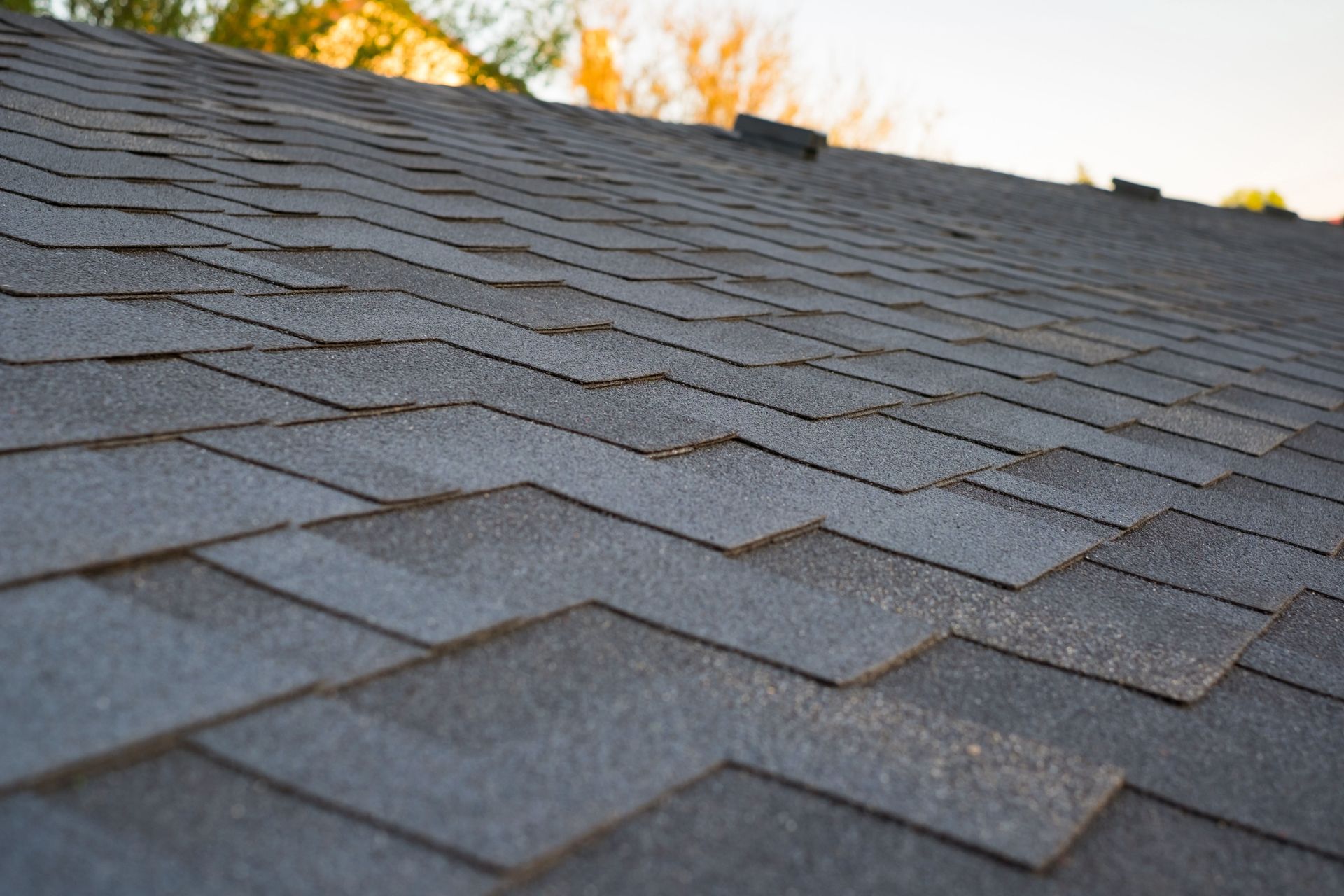
Roofing materials are constantly exposed to outdoor conditions, making regular inspections an important part of home maintenance. Shingles can become cracked, curled, loose, or missing after periods of strong wind and severe weather. Even minor damage can create an opening where water may reach the underlying roofing structure. Homeowners should look for visible changes after major storms, particularly if the property has experienced strong winds or heavy precipitation. However, some problems may not be visible from the ground and can require a professional evaluation. A local roofer can examine the roof more closely and identify areas that may need repair or replacement. Regular inspections can also help homeowners understand how their roof is aging over time. Addressing deterioration early can help maintain the roof's protective role through Wisconsin's changing seasons.
Maintaining Gutters And Downspouts
Gutters and downspouts help direct water away from the roof and foundation, making them important parts of a home's exterior drainage system. Leaves, branches, dirt, and other debris can accumulate in gutters and restrict water movement. Blockages can become particularly problematic when heavy rain or melting snow creates large amounts of runoff. Homeowners should inspect gutters periodically and clear debris before it prevents water from draining properly. Downspouts should also direct water far enough away from the foundation to reduce the chance of unwanted pooling. Loose or damaged gutter sections may require repair to maintain proper drainage. A local roofer can inspect the roof drainage system and identify issues that may affect its performance. Keeping gutters and downspouts clear can help the roofing system manage precipitation throughout the year.
Checking Flashing And Roof Seals
Flashing protects some of the most vulnerable areas of a roof, including locations around chimneys, vents, skylights, and roof intersections. Damaged or deteriorated flashing can allow water to enter beneath roofing materials. Temperature changes can also affect sealants and materials around these areas over time. Homeowners should pay attention to signs such as water stains, visible gaps, cracked sealant, or damaged metal around roof penetrations. Problems should be addressed before repeated rain or melting snow creates additional moisture exposure. Professional inspections can identify flashing concerns that may be difficult to see from the ground. A local roofer can repair or replace compromised flashing based on the condition of the affected area. Maintaining these protective details can help prevent water from reaching vulnerable portions of the home's structure.
Supporting Proper Attic Ventilation
Attic ventilation plays an important role in maintaining balanced conditions beneath the roof. During winter, warm air from the home can move into the attic when insulation and air sealing are inadequate. Excess heat and moisture may contribute to condensation and other problems that affect roofing materials. During warmer months, proper ventilation can help reduce excessive heat buildup in the attic. Homeowners should make sure vents are not blocked by insulation, debris, or other materials. Signs of moisture, staining, mold-like growth, or unusual temperature differences may indicate that the attic environment needs further evaluation. A local roofer can assess ventilation components and identify potential concerns affecting the roof system. Proper attic ventilation can support the long-term performance of roofing materials through both hot and cold weather.
Preparing For Winter Conditions
Wisconsin winters can expose roofs to heavy snow, ice, freezing temperatures, and repeated freeze-thaw cycles. Homeowners should prepare before significant snowfall rather than waiting until winter conditions have already arrived. The roof should be checked for damaged shingles, loose flashing, blocked gutters, and other vulnerabilities. Attic insulation and ventilation should also be evaluated to help maintain appropriate conditions beneath the roof. Snow and ice can place additional weight and moisture demands on a roof that already has unresolved problems. Homeowners should also avoid using improper tools or techniques when attempting to remove snow or ice themselves. A local roofer can provide guidance when significant accumulation or other winter-related roofing concerns develop. Preparing before severe cold arrives can help reduce the likelihood of preventable roofing problems during the winter season.
Responding To Spring Weather
Spring brings its own combination of rain, wind, temperature changes, and melting snow. These conditions can reveal roofing problems that developed during the winter months. Homeowners should check for missing shingles, damaged flashing, clogged gutters, and water stains after the winter season ends. Melting snow can also expose drainage issues that may not have been obvious during freezing conditions. Heavy spring rainfall makes it especially important for gutters and downspouts to remain clear. Any signs of interior moisture should be investigated promptly to determine whether the roof is allowing water to enter. A local roofer can inspect the system and recommend repairs for damage caused or revealed by winter weather. Completing spring maintenance can help prepare the roof for the storms and heat that often arrive later in the year.
Protecting Roofs During Summer Storms
Summer weather can bring strong winds, thunderstorms, heavy rain, and occasional hail to Wisconsin communities. These events can damage shingles, flashing, gutters, and other exterior components. After a significant storm, homeowners should check the property for visible signs of damage without placing themselves in unsafe situations. Loose materials, fallen branches, or damaged gutters can indicate that the roof needs further inspection. Interior signs such as new water stains or damp areas should also receive prompt attention. Homeowners should avoid climbing onto a roof to investigate storm damage themselves if conditions are unsafe. A local roofer can perform a professional assessment and identify damage that may not be obvious from the ground. Prompt evaluation after severe weather can help homeowners address problems before additional rain or temperature changes worsen them.
Establishing A Year-Round Maintenance Routine
Roof maintenance is most effective when it becomes part of a regular home care routine rather than an occasional response to problems. Homeowners can schedule inspections, clean gutters, monitor attic conditions, and watch for visible changes throughout the year. Keeping records of repairs and previous inspections can also help track the roof's condition. Seasonal checks provide opportunities to identify issues before they become more difficult to address.
Homeowners should also pay attention to changes inside the house, such as water stains, peeling paint, damp insulation, or unusual odors. These signs can sometimes indicate that moisture is entering through the roofing system. A local roofer can provide professional guidance when homeowners notice potential problems or want to establish a maintenance schedule. Consistent attention can help Wisconsin homeowners keep their roofs better prepared for the state's changing weather conditions.
Basswood Roofing LLC can help Wisconsin homeowners maintain and prepare their roofing systems for changing seasonal weather. Contact us to schedule a professional roof inspection and address maintenance or repair needs before the next round of severe weather arrives.