October 19, 2026
Chimney flashing plays an important role in protecting a home from water intrusion where the chimney meets the roof. This area is particularly vulnerable because roofing materials and chimney surfaces must work together to create a watertight connection. Over time, exposure to rain, wind, temperature changes, and normal aging can cause flashing components to loosen, corrode, or separate. Even a small opening may allow moisture to enter beneath shingles or reach surrounding structural materials. Experienced local roofers know how to evaluate these vulnerable areas and determine whether repairs are necessary. Understanding the inspection process can help homeowners recognize potential problems and make informed decisions about maintaining their roofing systems.
Inspecting the Visible Flashing Components
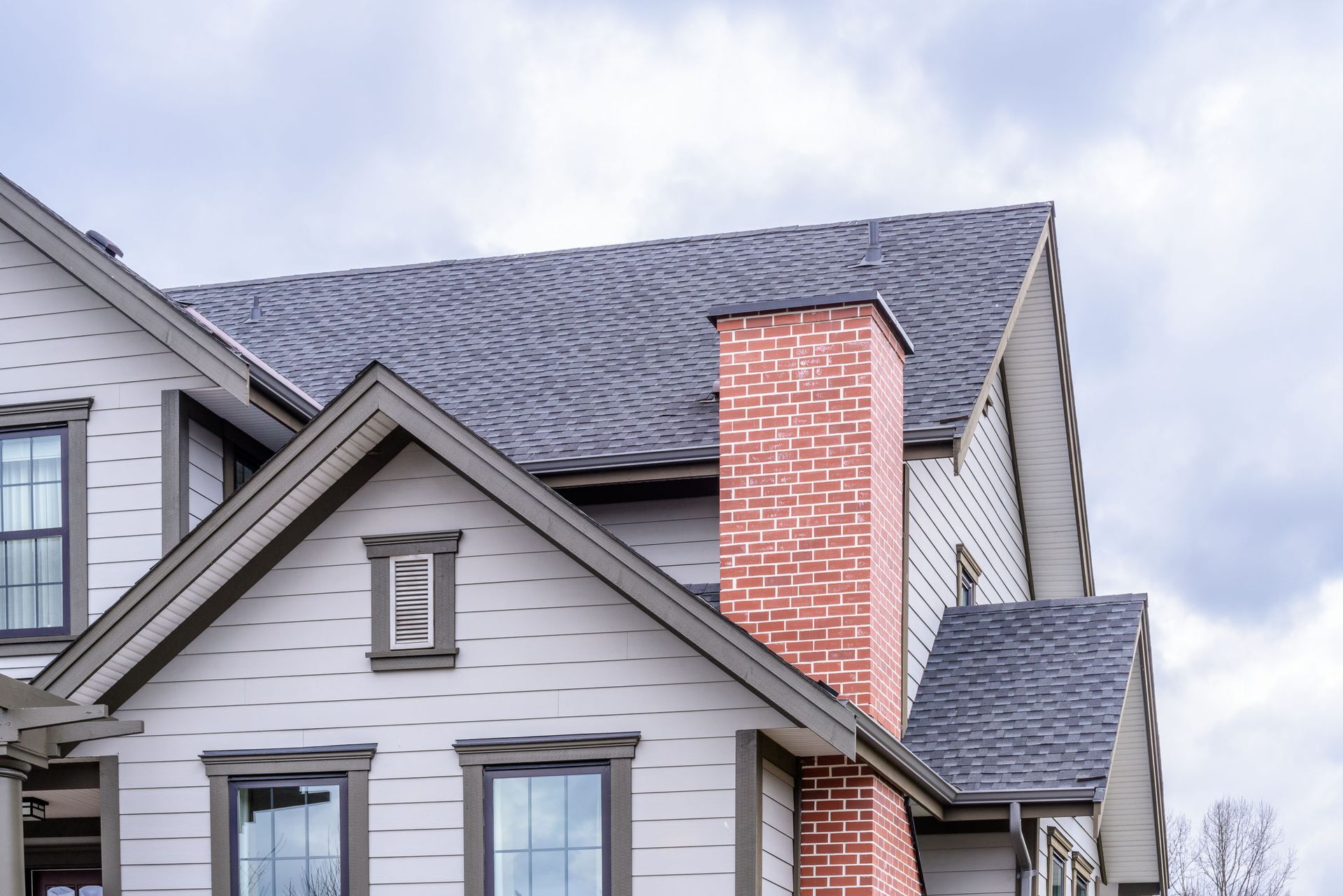
One of the first steps in evaluating chimney flashing is examining the visible metal components around the chimney's base. Roofing professionals look for bent sections, corrosion, loose edges, missing fasteners, and other signs of deterioration. Flashing should fit securely against the surrounding roofing materials and chimney surfaces without leaving openings where water could enter. Areas that appear lifted or distorted may indicate movement caused by temperature changes, weather exposure, or previous installation problems. Even when the flashing appears mostly intact, small defects can compromise its ability to direct water away from vulnerable joints.
During an inspection, local roofers also consider the age and condition of the materials. Older flashing may have developed weaknesses that are difficult to recognize from the ground. Metal can gradually deteriorate, particularly when protective coatings wear away or moisture remains trapped against its surface. Professionals examine the entire flashing assembly rather than focusing only on obvious damage. This approach helps identify developing concerns before they contribute to leaks or deterioration of nearby roofing materials.
Examining the Flashing Installation Method
Proper installation is essential because chimney flashing must accommodate the connection between two different structures. According to This Old House, proper chimney flashing uses two metal layers: step flashing installed underneath the shingles and counterflashing positioned over the top edge of the step flashing. These components work together to direct rainwater onto the roof surface rather than allowing it to enter behind the flashing. When either layer is missing, incorrectly positioned, or poorly secured, the system may not provide dependable protection during heavy rainfall.
Roofing professionals evaluate how the flashing components overlap and connect with surrounding materials. They may check whether step flashing is properly integrated with individual shingle courses and whether counterflashing adequately covers the upper edges. Installations that rely heavily on exposed sealant instead of appropriate metal overlaps may require additional attention. Identifying installation problems helps determine whether a minor adjustment will provide adequate protection or whether portions of the assembly should be replaced.
Checking for Interior Water Stains
Water entering around chimney flashing does not always produce an obvious roof leak. Moisture can travel along framing, insulation, and other concealed materials before becoming visible inside the home. Homeowners may notice stains on ceilings near the chimney, discoloration along adjacent walls, peeling paint, or damp areas in the attic. These symptoms can indicate water intrusion, although the actual entry point may be some distance from the visible damage. Careful investigation is necessary before identifying flashing as the source.
Experienced local roofers often examine both exterior roofing materials and accessible interior areas when investigating suspected leaks. They may look for damp insulation, stained wood, or signs of repeated moisture exposure near the chimney. Comparing interior findings with exterior conditions can help narrow down potential entry points. Because damaged shingles, masonry joints, and other roofing components can produce similar symptoms, professionals consider several possible causes before recommending chimney flashing repairs.
Assessing Rust and Metal Deterioration
Metal flashing is designed to withstand outdoor exposure, but its condition can change over time. Certain metals may develop corrosion when protective finishes deteriorate, or water remains against their surfaces. Rust can gradually weaken flashing, create small openings, and interfere with secure connections. Homeowners may notice reddish discoloration, flaking surfaces, or areas where metal appears unusually thin. Different flashing materials respond differently to weather conditions, so identifying the metal type is part of evaluating its remaining service life.
Professional local roofers assess whether corrosion is superficial or has compromised the flashing's structural integrity. Minor surface deterioration may not require immediate replacement, but extensive rust or perforation generally deserves more attention. Professionals also examine nearby fasteners and connections because these components can deteriorate independently of the flashing panels. Understanding the extent of metal damage helps determine whether targeted repairs are appropriate or whether replacing affected sections would provide more dependable long-term protection.
Investigating Gaps Caused by Movement
Roofs and chimneys can experience movement as temperatures change and building materials expand or contract. Wind exposure, normal settling, and seasonal weather conditions may also influence the connections between roofing materials and masonry. Over time, these movements can create gaps along flashing edges or cause metal sections to pull away from their intended positions. Openings may be especially noticeable near chimney corners, where multiple materials meet, and flashing pieces must overlap correctly.
When evaluating these areas, local roofers look for separation, displaced metal, damaged fasteners, and signs that previous repairs have failed. They consider whether the flashing can be secured without restricting normal material movement. If an installation does not adequately accommodate expansion and contraction, simply fastening loose sections may not prevent future problems. Correcting the underlying installation issue can help maintain a more reliable connection between the chimney and roof throughout changing weather conditions.
Examining the Surrounding Roofing Materials
Chimney flashing cannot be evaluated independently of the roofing materials around it. Damaged shingles, deteriorated underlayment, loose ridge materials, or poorly maintained roof valleys can allow water to travel toward the chimney area. Shingles near the flashing may become cracked, curled, or displaced, exposing underlying materials to moisture. Debris collecting behind a chimney can also interfere with drainage, particularly when the chimney is located on a section of roof where runoff naturally concentrates.
Experienced local roofers inspect the surrounding roof surface to determine whether nearby damage contributes to the problem. They may evaluate shingle condition, water flow patterns, and the placement of protective components behind wider chimneys. Some installations benefit from a chimney cricket, which is a small peaked structure designed to divert water and debris around the chimney. Examining the entire area helps professionals recommend repairs that address drainage and roofing concerns alongside any flashing defects.
Determining the Appropriate Repair Approach
After examining the flashing, chimney surfaces, and surrounding roofing materials, professionals can determine the most appropriate repair method. The recommendation depends on the location and severity of damage, the age of the materials, and whether the existing installation follows proper roofing practices. Minor problems may be resolved by securing loose components or replacing a limited section of flashing. More extensive deterioration, missing layers, or repeated leaks may indicate that a complete flashing replacement is necessary.
Professional local roofers also consider whether repairs can be completed without disturbing large portions of the surrounding roof. When replacement is required, shingles may need to be temporarily removed so new flashing can be properly integrated into the roofing system. The goal is to create reliable water protection rather than simply covering visible openings. Explaining the findings and available repair options helps homeowners understand the work involved and make decisions based on the condition of their property.
Chimney flashing problems can develop gradually, making professional evaluation important even when visible damage appears minor. Inspecting metal components, checking installation methods, investigating interior stains, examining sealants, and assessing surrounding roofing materials can help identify weaknesses before they lead to extensive moisture damage. A thorough inspection also allows professionals to distinguish flashing problems from other potential sources of roof leaks. Addressing deterioration promptly can protect insulation, framing, ceilings, and other building materials while supporting the continued performance of the roofing system. Homeowners who notice water stains, loose metal, corrosion, or other warning signs should consider having the chimney area evaluated before conditions worsen. For professional assistance inspecting chimney flashing and determining whether repairs are needed, contact Basswood Roofing LLC.