October 22, 2026
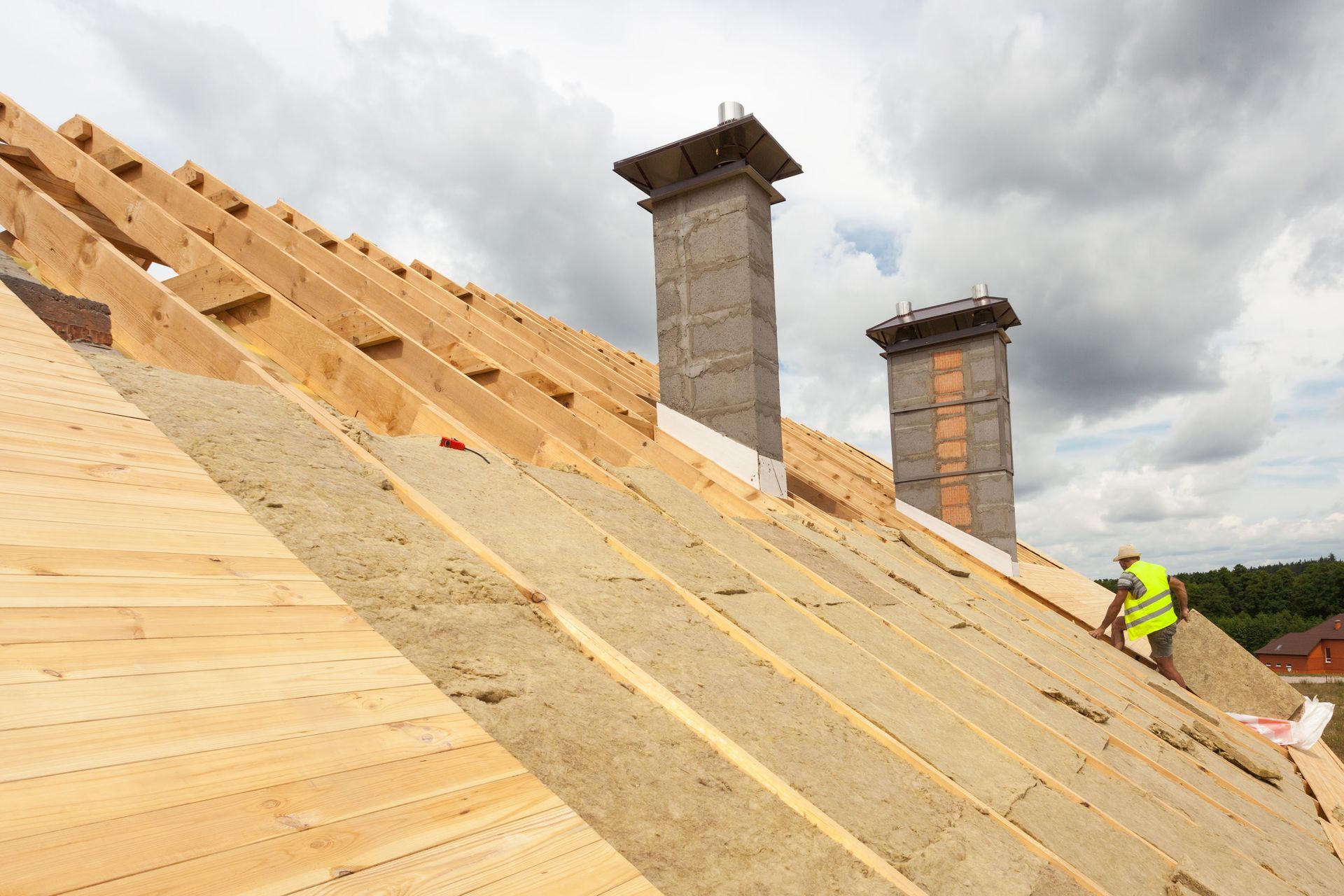
Every reliable commercial and residential building relies on a strong, well-constructed roof to shield its interior space from nature. While most property owners only notice the visible outer surface, a complete roofing assembly is actually a complex, multi-layered shield engineered to direct water away and preserve structural integrity. The foundation of this entire system begins with the roof deck, often referred to as the sheathing. This critical structural layer attaches directly to the building rafters or roof trusses, establishing a flat, continuous surface upon which all subsequent weatherproofing materials are installed. Without a solid deck, even the highest quality surface membranes cannot perform effectively. Property owners who hire professional roofing services ensure that their deck boards are thoroughly inspected and replaced whenever underlying decay or structural sagging is discovered.
Roof decking is typically constructed from heavy-duty plywood, oriented strand board, or solid wood planks, depending on the age and architectural design of the building. In commercial structures, steel decking or poured concrete surfaces are also common foundation choices. Regardless of the material, the deck bears the dead load of the roofing materials themselves alongside live loads such as heavy snowfall, wind pressure, and foot traffic from maintenance technicians. Over time, persistent moisture penetration can compromise the deck, leading to hidden rot, mold growth, and dangerous structural weakening. Recognizing the state of your roof decking during scheduled maintenance or replacement projects allows property managers to correct underlying vulnerabilities before installing new surface materials.
Evaluating Underlayment Protective Barriers
Positioned directly above the structural deck lies the underlayment, an essential secondary barrier designed to shield the building from water intrusion. Even minor gaps in top-layer materials can allow moisture to seep underneath, making underlayment your roof's primary safety net. According to Service Titan, 40% of roof complaints are related to leaks. This stat highlights why installing high-grade underlayment is one of the most critical steps in modern building construction. If wind-driven rain penetrates the outer surface, a properly installed underlayment prevents that water from reaching the vulnerable wood decking below. Experienced contractors offering comprehensive roofing services always emphasize selecting the correct underlayment grade to match the specific climate demands of your local area.
Modern underlayment materials generally fall into three primary categories: asphalt-saturated felt, synthetic underlayment, and self-adhering ice and water shields. Traditional felt paper has served the industry for decades, offering basic water resistance at an economical price point. However, synthetic underlayments woven from durable polymers have quickly become the industry standard due to their superior tear resistance, lightweight composition, and long-term durability under extreme heat. Self-adhering rubberized asphalt membranes are typically applied to vulnerable areas such as roof valleys, eaves, and perimeter flashings. These self-sealing layers stick directly to the deck and form a watertight seal around nail penetrations, offering maximum defense against ice dams and severe rainstorms.
Assessing Specialized Waterproofing Shields
Beyond standard underlayment sheets, modern roofing systems incorporate specialized water barriers and ice shields to reinforce sensitive structural transition points. Roofs are naturally more vulnerable wherever two angles meet, where the roof meets a vertical wall, or where mechanical equipment extends through the structure. Water flows along paths of least resistance, causing heavy rain to pool in roof valleys or back up behind ice dams along eave edges. Waterproofing barriers are engineered using dense, flexible rubberized materials that flex under thermal movement without cracking or pulling away from the substrate. Scheduling periodic checks through certified roofing services ensures these critical waterproof barriers remain fully bonded and intact before storm seasons arrive.
In cold weather climates, ice dams represent a major threat to building interiors. When heat escapes through an under-insulated attic space, it melts snow on the upper roof surface. As that melted water flows down to the colder roof eaves, it freezes again, forming a ridge of ice that traps subsequent snowmelt behind it. Standing water trapped behind an ice dam quickly works its way beneath conventional surface layers. Self-adhering waterproof membranes applied along the eaves create an impenetrable continuous seal that prevents backed-up water from seeping into interior spaces. By combining robust underlayments with targeted ice and water barriers, property managers protect their long-term real estate investments against severe water damage.
Analyzing Metal Flashing Components
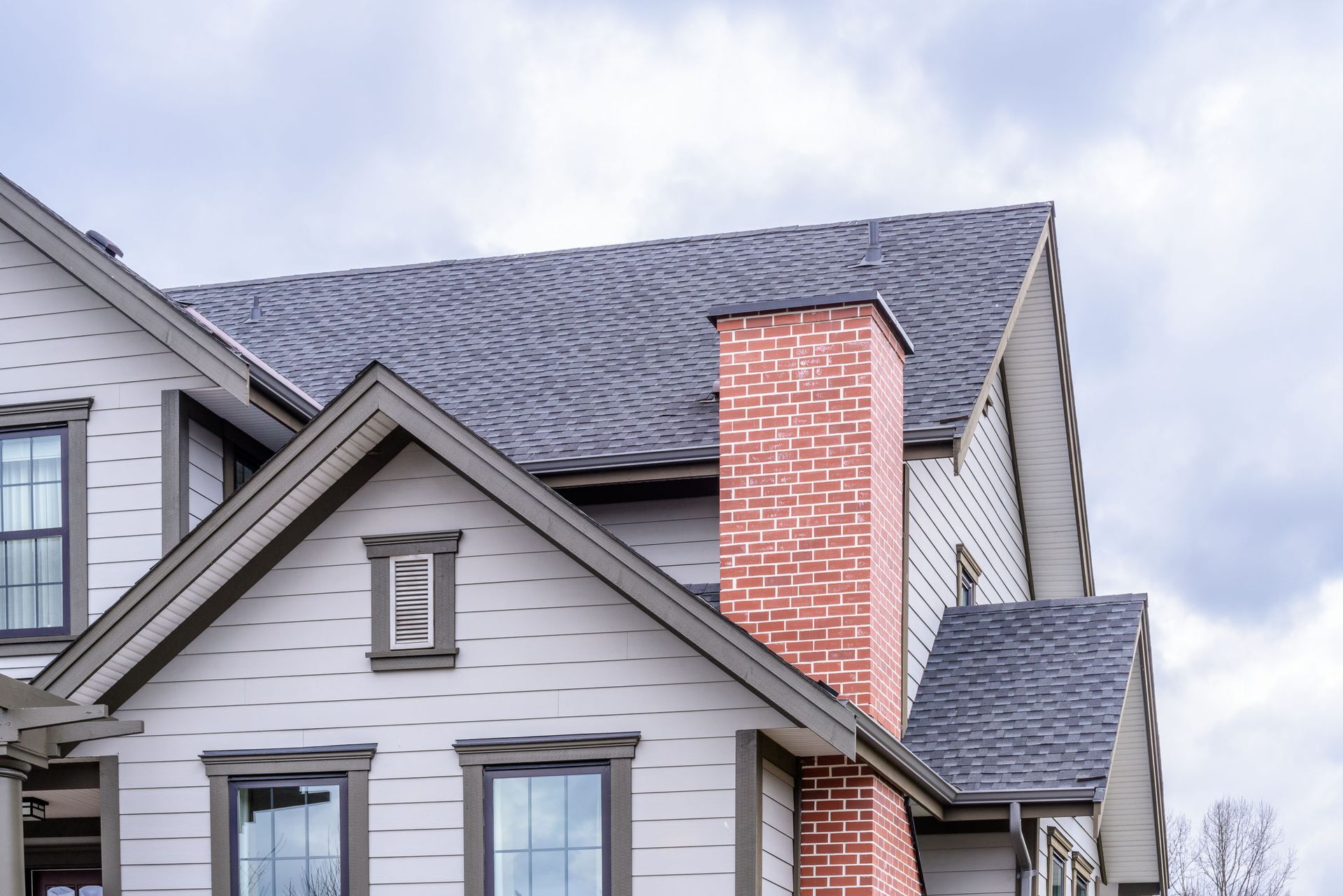
Flashing components represent another vital layer in the continuous weather-tight envelope of any facility. Typically crafted from durable metals such as galvanized steel, aluminum, or copper, flashing pieces are custom-shaped to channel water away from critical seams and rooftop penetrations. Common flashing installations occur around chimneys, skylights, plumbing vents, HVAC curbs, and parapet wall intersections. Because these areas represent physical breaks in the primary roof surface, they require careful geometric overlapping and sealant integration to remain leak-free over decades of exposure. Contracting knowledgeable teams for professional roofing services guarantees that metal flashings are correctly integrated with both the underlayment and surface materials.
Thermal expansion and contraction pose ongoing challenges for flashing assemblies. As daily outdoor temperatures fluctuate, metal flashings expand and contract at different rates than surrounding wood decking or synthetic membranes. Over time, this continuous physical movement can loosen fasteners, split sealant joints, or warp metal strips. When flashings pull away from vertical walls or equipment curbs, wind-driven rain finds a direct pathway beneath the top layers. Regular maintenance inspections focus heavily on evaluating flashing seams, replacing dried sealants, and ensuring step flashings along sidewalls remain securely anchored. Addressing minor flashing defects promptly prevents localized water intrusion from spreading into subterranean insulation layers.
Selecting Exterior Surface Materials
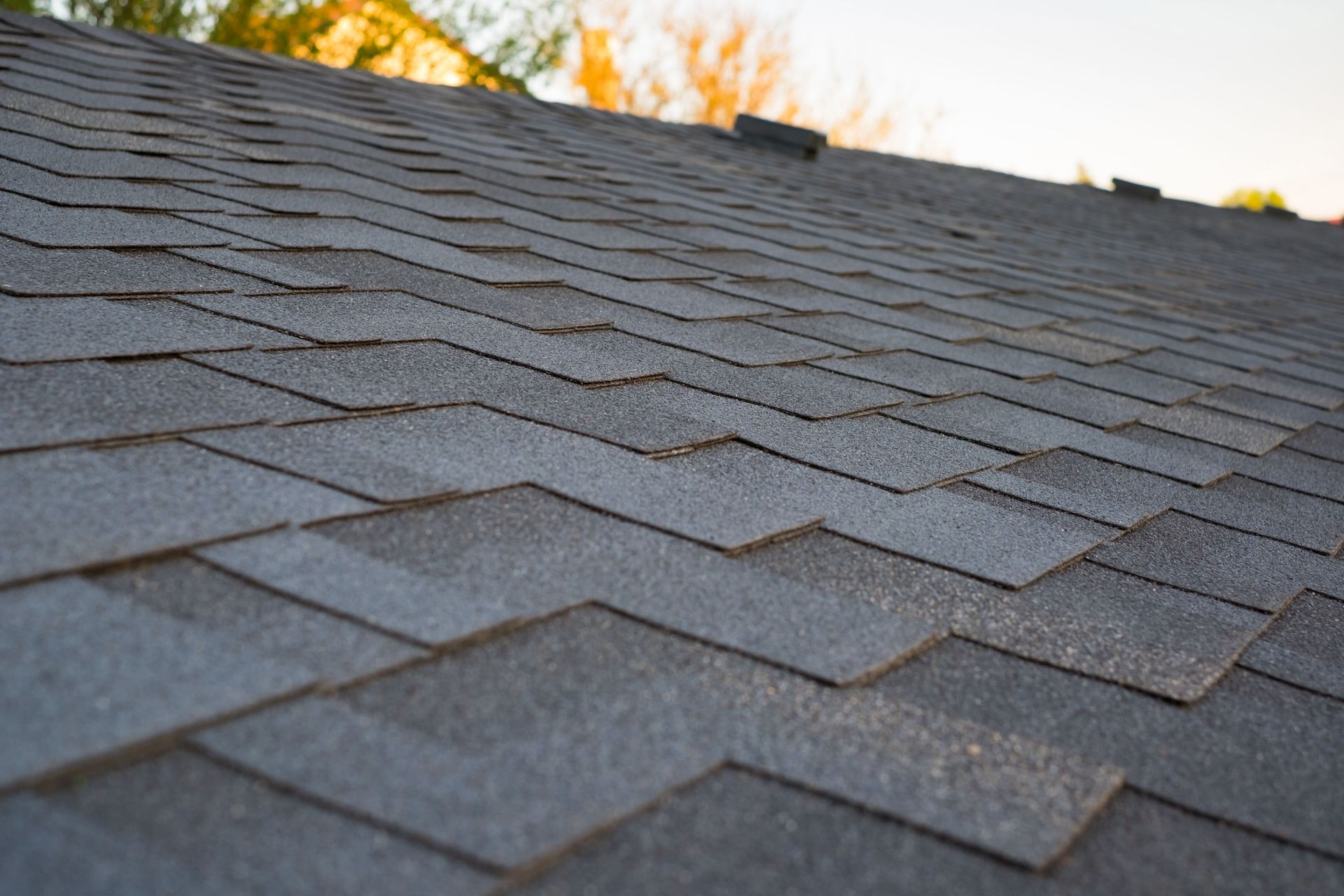
The most visible component of any roof assembly is its outer surface layer, which serves as the primary line of defense against sunlight, hail, wind, and debris. Depending on whether a building features a steep-slope or low-slope design, this top layer may consist of asphalt shingles, architectural metal panels, slate tiles, clay tiles, or single-ply commercial membranes like TPO, EPDM, and PVC. Each material choice offers distinct thermal performance benefits, aesthetic qualities, and operational lifespans. Partnering with reputable providers of roofing services enables building owners to select surface options that withstand regional weather patterns while optimizing long-term energy efficiency through reflective outer coatings.
Over years of constant exposure, the outer surface naturally suffers wear and tear. Sun exposure breaks down protective mineral granules on asphalt shingles and degrades synthetic compounds in single-ply commercial membranes. High winds can loosen surface fasteners, split lap seams, or detach perimeter edge metals. When the surface layer begins to fail, the underlying underlayment and decking bear the brunt of environmental exposure. Identifying early surface failure signs, such as membrane blistering, granule loss, or cracked tiles, allows property managers to perform targeted restorations before moisture penetrates deeper into the building structure.
A durable, long-lasting roof is not simply a collection of individual materials dropped onto a building frame; it is an integrated engineering system where every layer supports the next. From the structural deck to the synthetic underlayment, metal flashings, and final surface membrane, each component relies on proper installation sequencing to perform correctly. Omitting or compromising a single hidden layer weakens the entire shield, increasing the risk of premature system failure and costly interior repairs. Property owners who invest in routine evaluations from qualified roofing services gain total clarity regarding the health of their entire system, ensuring that every layer works in harmony to deliver decades of reliable protection, energy efficiency, and operational peace of mind. Contact Basswood Roofing LLC today to learn more about our complete roofing services, schedule a comprehensive evaluation, and safeguard your property with expert installation.