May 15, 2026
In the roofing industry, understanding why certain roofing materials deliver long-term performance is essential for both homeowners and contractors. From asphalt shingles to metal panels and slate systems, the lifespan of a roof depends heavily on material quality, installation methods, and environmental exposure. Professional roofing services help property owners choose products that balance durability, appearance, and long-term value. Let's explore the factors that influence roofing material longevity while highlighting how modern roofing services contribute to stronger, longer-lasting roofing systems.
Roofing Material Composition
The durability of a roof starts with the composition of the materials used. Different roofing products perform differently depending on their structural makeup and resistance capabilities. Metal roofing systems are valued for their corrosion resistance and strength, while slate and clay tiles are known for exceptional longevity because of their dense natural composition. Asphalt shingles remain popular due to affordability and flexibility, though higher-grade shingles generally offer improved performance. Experienced roofing services evaluate these characteristics carefully to help homeowners select materials suited to their climate and budget.
In addition to the outer roofing surface, supporting components also influence the overall performance of a roofing system. Underlayment materials, flashing, fasteners, and ventilation products all contribute to durability and weather resistance. High-quality synthetic materials can provide additional moisture protection, while corrosion-resistant fasteners help maintain structural stability during severe weather conditions. Proper attic ventilation also plays a critical role by reducing heat and moisture buildup that can prematurely age roofing materials. Professional roofing services evaluate every layer of the roofing system to help maximize longevity, energy efficiency, and overall roof performance.
Resistance to Environmental Stressors
Roofing materials face constant exposure to environmental stressors that can reduce lifespan if not properly addressed. Heavy rainfall, wind, UV exposure, hail, and snow accumulation all affect roofing performance over time. Moisture intrusion can weaken underlayment and decking, while prolonged sunlight may cause cracking or fading in certain products. Advances in sealants, reflective coatings, and weather-resistant treatments have significantly improved roof durability in recent decades. According to RubyHome, an average roof lasts between 20 and 50 years, depending on the roofing type and material quality, showing how performance can vary dramatically among systems.
Chemical Makeup
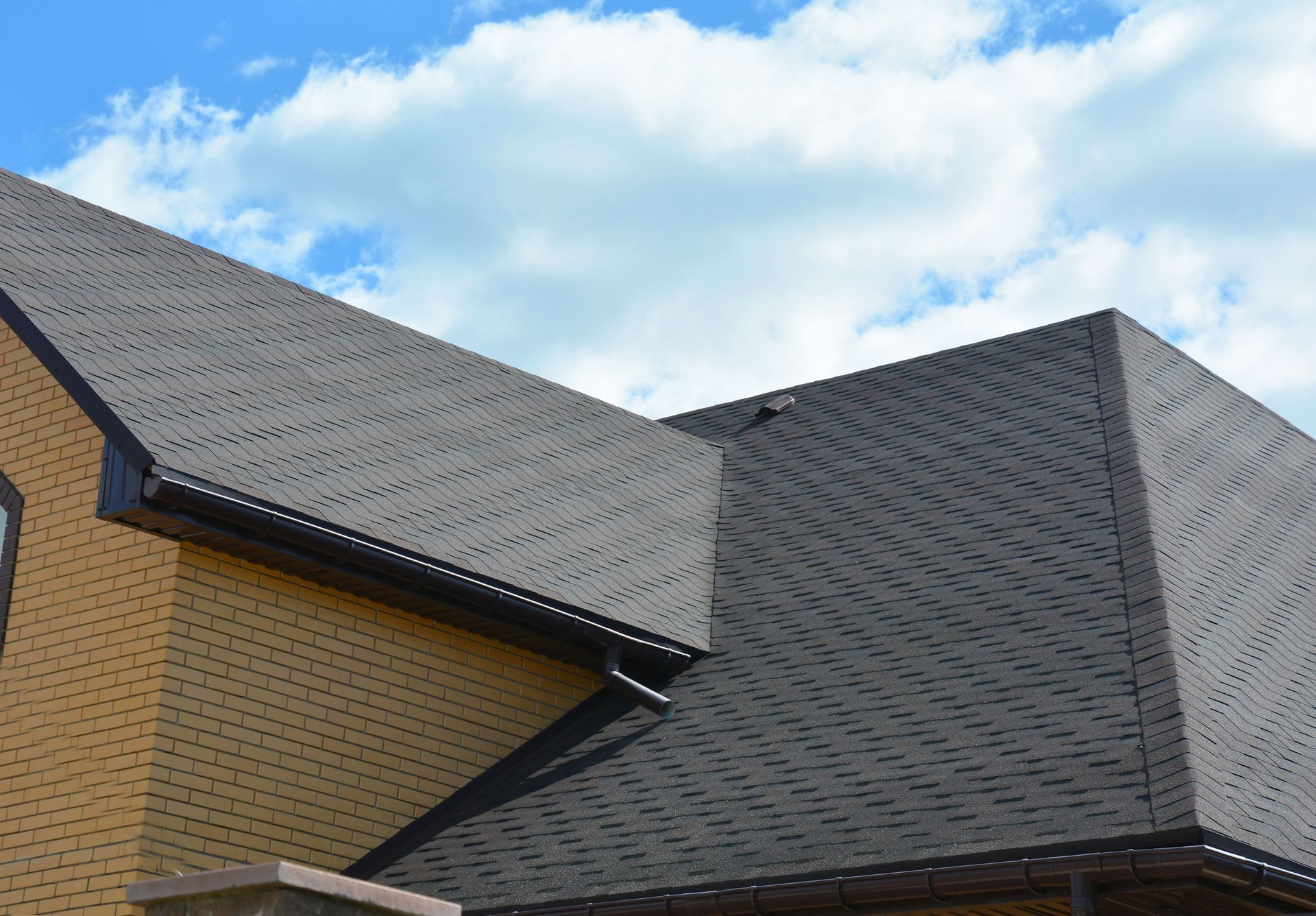
Chemistry plays an important role in improving the lifespan of roofing materials. Manufacturers continue developing advanced coatings and treatments that increase resistance against algae, moisture, rust, and thermal expansion. For example, modern asphalt shingles often contain fiberglass reinforcement and specialized granules that improve weather resistance. Roofing services rely on these innovations to provide homeowners with roofing systems capable of maintaining both structural reliability and curb appeal throughout their lifespan.
Innovative Roofing Manufacturing Processes
Roofing manufacturing methods have evolved considerably, leading to more durable and consistent products. Precision engineering, automated production lines, and stricter quality control standards contribute to stronger roofing materials with fewer defects. New technologies have also introduced energy-efficient roofing options that help regulate indoor temperatures. As roofing services continue adopting these modern materials, homeowners benefit from products designed for long-term reliability and performance.
Another major advancement in roofing manufacturing involves the integration of energy-efficient and impact-resistant technologies into modern roofing products. Many manufacturers now produce shingles and metal panels designed to reflect solar heat, helping reduce indoor cooling demands and improve overall energy efficiency. Impact-resistant roofing materials have also become increasingly popular in regions prone to hail and severe storms, offering enhanced protection against physical damage. These innovations allow roofing systems to perform more effectively under demanding conditions while reducing maintenance requirements over time. As roofing manufacturing continues evolving, homeowners gain access to stronger, smarter materials that support both durability and long-term property value.
Modern Adaptations of Traditional Roofing Methods
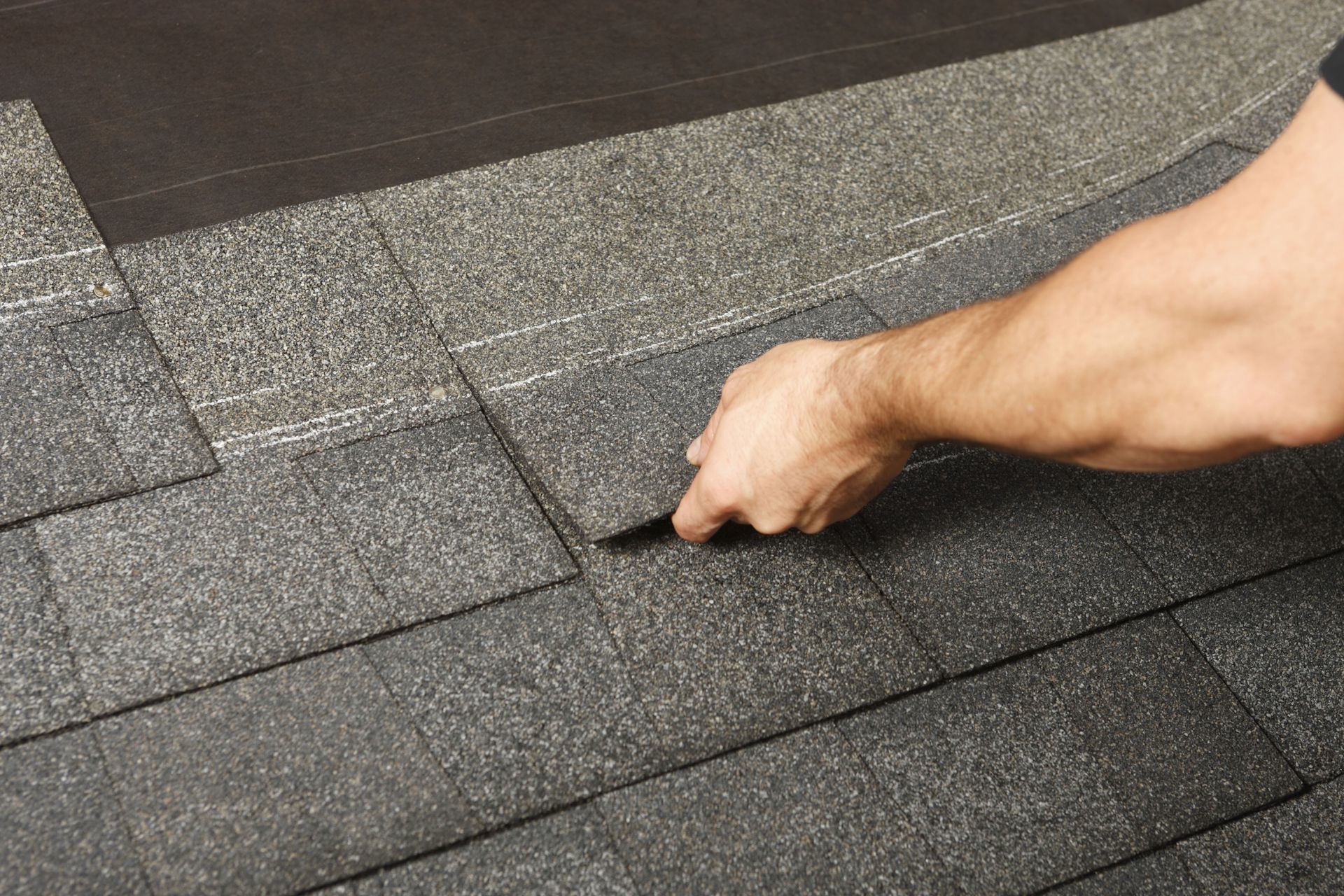
Today's roofing industry frequently combines historical craftsmanship with modern engineering techniques. Roofing contractors still apply traditional principles such as proper water drainage and ventilation while incorporating stronger materials and weather-resistant barriers. Reinforced flashing systems, impact-resistant shingles, and improved fastening methods all contribute to roof longevity. This blend of old and new practices allow roofing services to install systems that provide proven construction techniques while delivering modern performance standards capable of handling severe weather conditions.
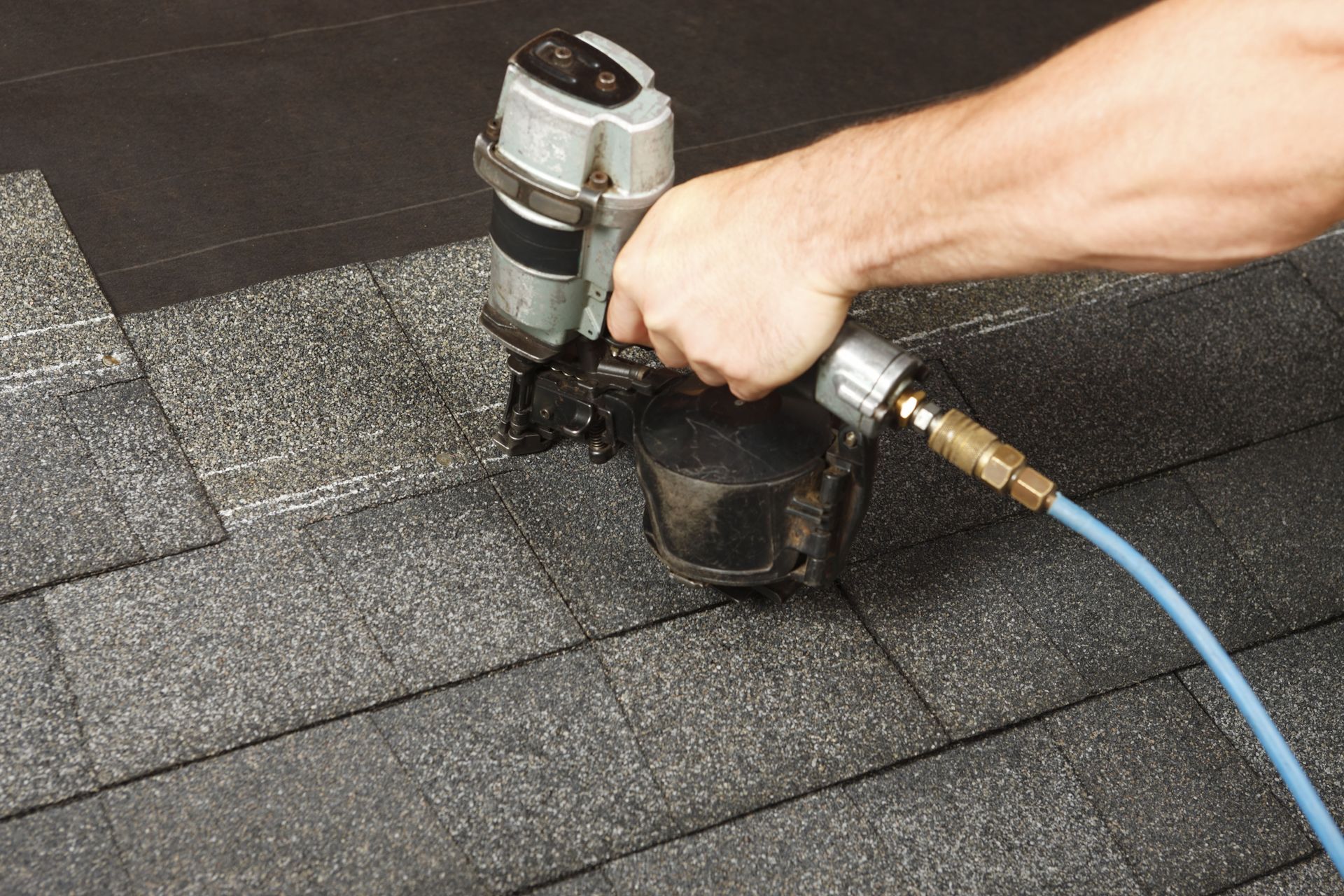
Modern roofing contractors also use advanced diagnostic tools and installation equipment to improve the effectiveness of traditional roofing practices. Drone inspections, moisture detection technology, and computerized measurement systems allow roofing professionals to identify vulnerabilities with greater accuracy before installation or repairs begin. At the same time, traditional craftsmanship remains essential when working with materials such as slate, cedar shake, and clay tile, where precise installation techniques directly affect longevity. By combining modern technology with time-tested roofing methods, today's roofing industry continues improving both installation efficiency and long-term roof performance.
Sustainable Roofing Material Sourcing
Sustainable roofing material sourcing supports both environmental responsibility and long-term durability. Many manufacturers now produce roofing materials using recycled metals, reclaimed content, or responsibly sourced components. Eco-conscious roofing products can reduce environmental impact while still delivering dependable performance for decades. Sustainable practices within roofing services also include recycling old roofing materials during replacement projects and minimizing construction waste whenever possible. These approaches support environmentally responsible roofing solutions without sacrificing quality or reliability.
Eco-Friendly Roofing Innovations
Innovations in environmentally friendly roofing materials continue shaping the future of the roofing industry. Cool roofing systems and recycled composite shingles offer improved sustainability alongside strong performance. These materials help reduce energy consumption while maintaining resistance against harsh weather conditions. Manufacturers continue researching renewable and recyclable roofing solutions that can balance environmental priorities with durability. Eco-friendly advancements allow roofing services to provide homeowners with products that support energy efficiency and long-term roof protection simultaneously.
Weather-Resistant Roofing Technologies
Modern weather-resistant roofing technologies significantly improve roof performance under demanding conditions. Advanced waterproof membranes, impact-resistant shingles, and reflective coatings all help roofing systems withstand storms, heat, and moisture exposure more effectively. Innovations in ventilation systems and moisture barriers also reduce the risk of mold growth and structural deterioration. These technologies increase roof lifespan while helping property owners avoid frequent repairs or replacements. Homeowners who invest in modern roofing services often benefit from stronger roofing systems designed to handle changing weather patterns more efficiently.
Modern weather-resistant roofing technologies also focus heavily on improving material strength and moisture protection under severe environmental conditions. Impact-resistant shingles are designed to withstand hail and wind-blown debris more effectively, helping reduce the likelihood of cracks and surface damage during storms. Advanced waterproof materials and ice-and-water barriers provide additional defense against leaks caused by heavy rainfall or ice buildup. Ventilation systems also contribute to weather resistance by reducing trapped heat and moisture that can weaken roofing materials over time. These improvements allow modern roofing systems to maintain structural integrity longer while providing dependable protection in challenging climates.
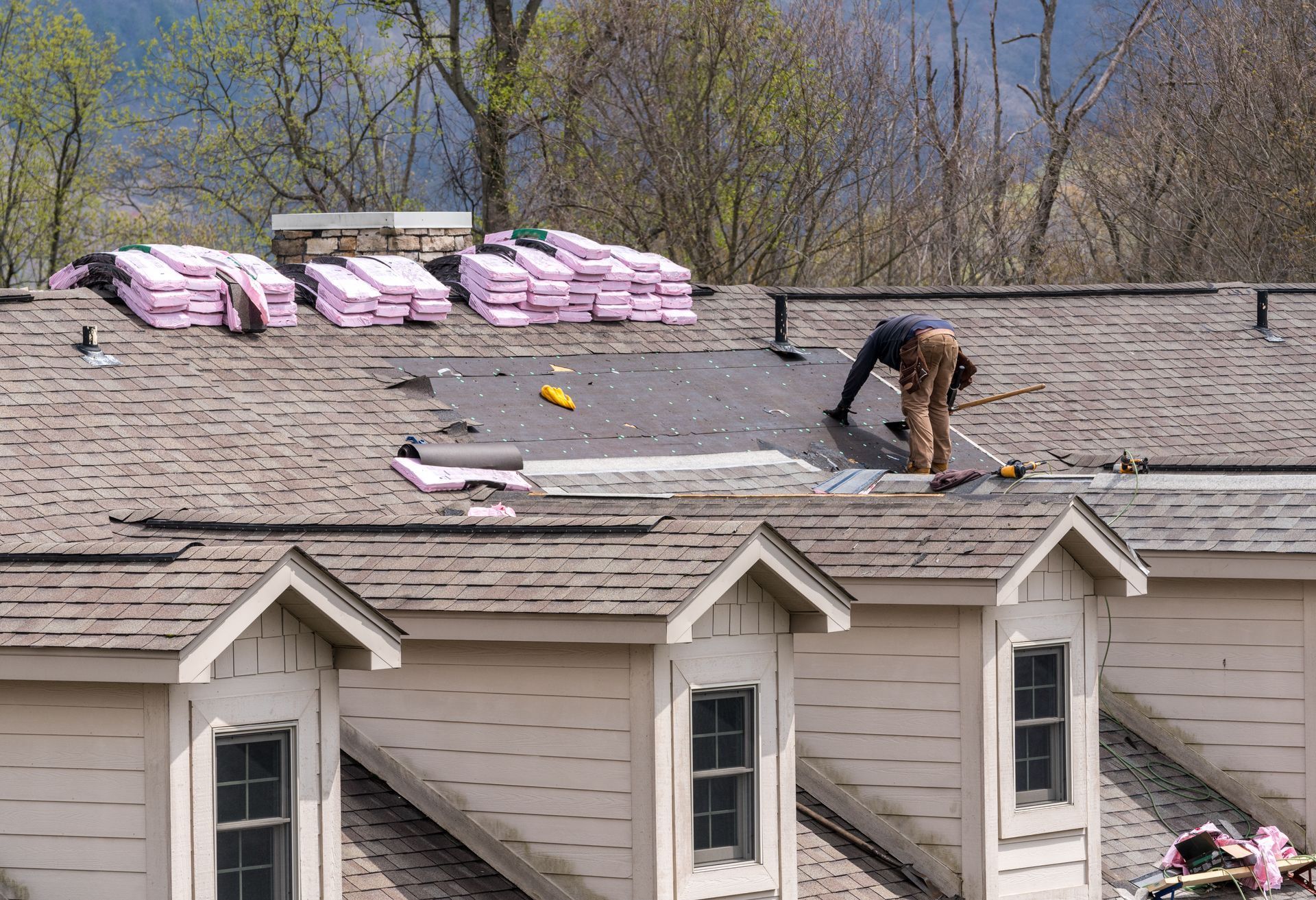
The performance and longevity of roofing materials depend on a combination of scientific innovation, environmental considerations, historical practices, and manufacturing advancements. Understanding how different materials respond to weather exposure, installation methods, and long-term wear helps property owners make informed roofing decisions. Professional roofing services play an important role in guiding homeowners toward durable solutions that align with both budget and climate conditions. By selecting quality materials and relying on the experienced roofing services at Basswood Roofing LLC, you can invest in roofing systems designed to provide dependable protection and lasting value for many years. Reach out to us today to get started with a free estimate!