August 17, 2026
Maintaining a home requires paying close attention to the structural integrity of its protective upper barrier throughout changing seasons. Over time, continuous exposure to harsh weather elements, fluctuating temperatures, and natural aging can cause subtle damage that gradually escalates into severe structural issues. Recognizing early warning indicators allows property owners to take proactive maintenance steps before minor leaks cause widespread water damage, mold growth, or compromised insulation. By understanding what visual cues and physical signs to look for around the exterior and interior, homeowners can ensure their shelter remains secure, energy-efficient, resilient, and fully capable of protecting family members and valuable personal items.
1. Spotting Damaged or Missing Shingles
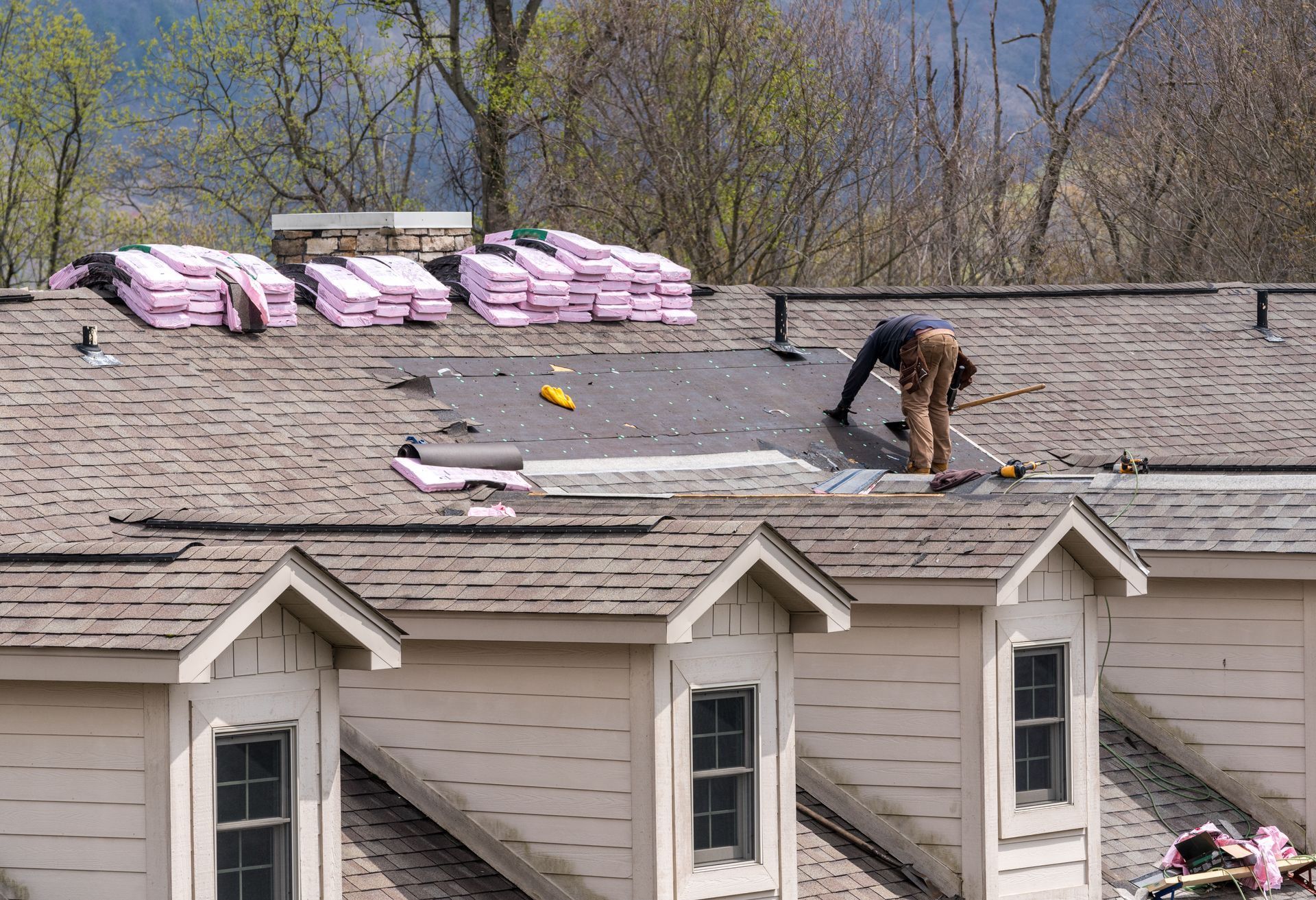
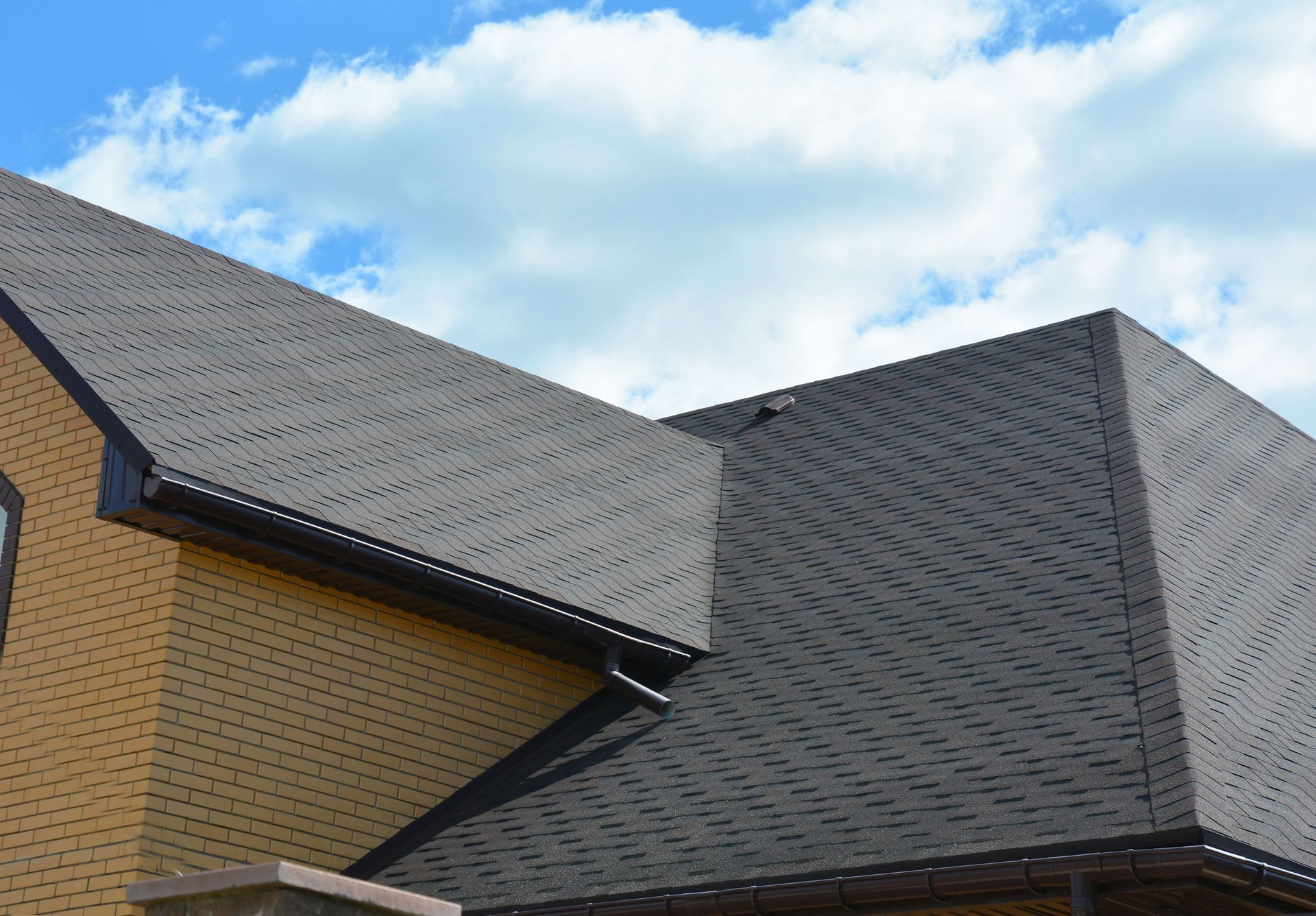
Inspecting the upper exterior surface reveals critical clues regarding overall weather protection and structural readiness against rainstorms. According to RubyHome, asphalt shingles are the most common roofing material, used in roughly 80% of roofing projects. When high winds or severe hail impact these asphalt surfaces, individual shingles can crack, curl at the edges, or blow away entirely. Missing coverage leaves vulnerable underlayment exposed directly to sunlight and moisture, accelerating deterioration across surrounding materials. Promptly scheduling targeted roof repairs replaces compromised shingles and restores the primary waterproof barrier before driving rains penetrate deeper into the roof deck.
2. Observing Granule Loss in Gutter Systems
Checking gutters and downspouts during routine cleaning often uncovers dark, sand-like sediment accumulated along the drainage channels. Asphalt shingles rely on protective mineral granules to reflect harmful ultraviolet rays and guard underlying asphalt layers from sun degradation. As shingles age or suffer storm damage, these coarse granules detach and wash down into drainage troughs. Finding excessive granules indicates that outer coatings are wearing thin, leaving underlying materials vulnerable to cracking and weathering. Addressing granule loss early through professional roof repairs extends overall surface longevity and prevents premature systemic failure across entire slopes.
3. Finding Water Stains on Ceilings
Unexplained discoloration, brownish water rings, or damp spots appearing on interior drywall or ceiling plaster point directly toward ongoing moisture intrusion. Water entering through compromised exterior surfaces often travels along rafter framing before dripping onto top-story ceiling drywall below. Ignoring minor ceiling spots permits moisture to ruin insulation efficiency, rot wooden support structures, and encourage harmful mold growth inside living spaces. Contacting experienced contractors for targeted roof repairs locates the exact entry point and seals leaks, stopping interior damage and safeguarding structural ceiling framing from long-term rot.
4. Identifying Sagging Along Roofline Ridge Surfaces
A drooping or visibly sagging roofline signals serious structural failure within underlying deck boards, rafters, or load-bearing support trusses. Structural sagging frequently stems from prolonged water exposure, excessive ice accumulation, or inadequate attic ventilation that traps moisture inside structural framing. When wooden supports absorb moisture over extended periods, they weaken, bow downward, and lose their capacity to carry heavy structural loads safely. Professional technicians specializing in roof repairs must inspect sagging sections immediately to reinforce compromised support timber, replace rotted decking, and stabilize overall structural alignment before dangerous collapses occur.
5. Examining Flashing Failure Around Chimneys
Metal flashing strips installed around chimneys, plumbing vents, skylights, and dormer intersections prevent water from seeping into vulnerable joints. Over time, thermal expansion, dried sealant, and wind exposure can loosen metal flashing or pull seams away from brick surfaces. Gaps around roof penetrations create direct pathways for rainwater to bypass primary shingle layers and enter attic spaces silently. Inspecting metal borders regularly and securing specialized roof repairs that seal open joints with durable flashing materials keeps critical roof intersections watertight against heavy downpours and seasonal aftermath.
6. Inspecting Mold and Moss Accumulation
Green moss, lichen, or dark algae streaks spreading across sloped surfaces do more than alter exterior curb appeal; they actively trap destructive moisture against underlying materials. Moss growth traps moisture along shingle edges, causing materials to lift, curl, and freeze during winter weather cycles. Trapped moisture accelerates wood decay beneath surface layers, creating soft spots across structural plywood decks. Removing organic growth and performing needed roof repairs restores proper drainage, prevents moisture retention, and protects underlying wooden deck boards from rot and premature structural decay.
7. Monitoring Energy Bills From Poor Ventilation
Unexplained increases in heating and cooling costs can stem directly from compromised upper barriers and degraded attic ventilation systems. Damaged surface layers allow warm conditioned indoor air to escape during winter while letting scorching attic heat penetrate living quarters throughout summer months. Furthermore, moisture buildup in attics without proper ventilation dampens fiberglass insulation, rendering it ineffective at regulating indoor temperatures. Investing in necessary roof repairs resolves ventilation blockages and seals structural gaps, lowering monthly utility costs while maintaining comfortable, stable indoor temperatures year-round.
8. Detecting Light Through Attic Decking
Stepping into an unlit attic during daylight hours provides an easy way to check for hidden structural gaps or missing underlayment. Seeing pinpricks of sunlight shining through roof boards indicates clear holes where water, wind, and outdoor pests can enter freely. Sunlight penetrating structural decking means weather barriers have eroded, leaving interior framing exposed to environmental elements. Scheduling prompt roof repairs patches open decking holes, installs fresh underlayment, and secures structural integrity, ensuring rain and outdoor pests remain outside where they belong.
9. Checking Damaged Soffit and Fascia Boards
Soffits and fascia boards along lower roof edges provide critical structural support, gutter mounting surfaces, and essential attic ventilation pathways. Continuous exposure to overflowing gutters, ice dams, or wind-driven rain rots wooden fascia edges and damages soffit vent panels over time. Decayed overhang materials allow water to migrate backward into exterior wall cavities, damaging insulation and interior drywall finishes. Repairing damaged fascia and soffit sections protects structural rafter tails, maintains vital ventilation airflow, and prevents water from seeping inward toward interior wall cavities.
10. Evaluating Age Constraints of Current Materials
Every exterior shelter system operates within a finite lifespan determined by material quality, regional weather conditions, and installation expertise. Standard asphalt systems typically perform reliably for two to three decades before material degradation requires comprehensive maintenance or replacement efforts. Aging materials lose flexibility, making them prone to cracking under thermal stress and snapping off during severe windstorms. Evaluating material age helps homeowners anticipate maintenance needs and arrange timely maintenance before widespread deterioration leads to catastrophic structural failures.
11. Investigating Peeling Interior Paint and Wallpaper
Moisture migrating downward from compromised upper surfaces often affects upper wall surfaces long before visible ceiling drips appear. Trapped moisture traveling behind wallboard causes interior paint to bubble, blister, and peel away from wall surfaces. Similarly, dampness dissolves wallpaper adhesives, causing wall coverings to loosen and curl near ceiling corners. Addressing peeling paint through targeted maintenance locates hidden moisture pathways, halts water migration, and protects interior finishes from ongoing structural deterioration.
12. Assessing Damage Through Ice Dam Formation
Cold winter climates often create ice dams when warm attic heat melts snow on upper roof slopes, sending meltwater down toward freezing eaves. Refreezing water builds ice ridges along gutter lines, backing meltwater up beneath underlying shingles where it leaks inside. Repeated freeze-thaw cycles tear shingles loose, can damage gutter alignments, and ruin interior ceiling drywall. Installing proper insulation, improving soffit ventilation, and executing necessary exterior fixes prevent ice dam formation, protecting eaves and interior ceilings from winter water intrusion.
Recognizing early warning signs of exterior damage protects residential properties from costly structural degradation, health hazards, and interior living disruptions. From curling shingles and granule loss to water stains and sagging ridge lines, attending to subtle warning indicators preserves home equity and structural safety. Partnering with licensed contractors ensures that maintenance work utilizes durable materials, meets local building safety codes, and resolves underlying structural vulnerabilities effectively. Proactive home maintenance extends material lifespans, maintains energy efficiency, and safeguards overall property value over time. Taking prompt action keeps residential shelters secure, comfortable, and fully prepared to withstand challenging weather conditions for decades to come. Are you seeking a professional-level roofing company for roof repairs in Southern Wisconsin and Northern Illinois? Basswood Roofing LLC has you covered! Contact us today to request a service quote or to schedule an appointment.