December 17, 2025
A well-maintained roof is one of the most critical elements of a safe and comfortable home. It protects your family from the elements, preserves the structure of your house, and adds value to your property. Yet many homeowners delay roof inspections and repairs until problems become severe, resulting in higher costs and greater damage. Understanding the signs that your roof needs attention can save you time, money, and stress. In this guide, we'll explore the most common indicators of roof damage, practical ways to assess your roof's condition, and the steps to take when repairs are necessary.
Recognize Visible Damage
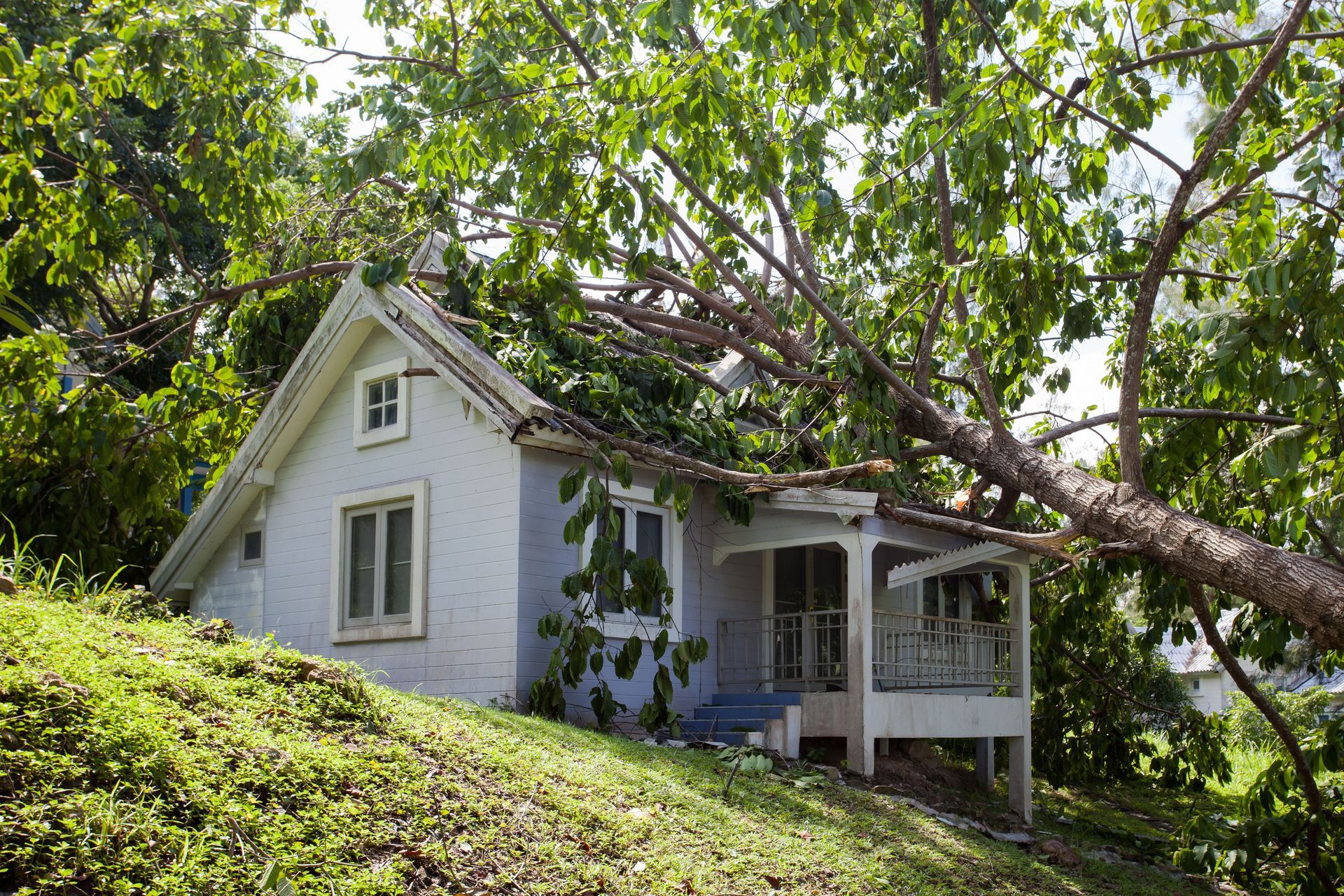
One of the simplest ways to determine whether your roof needs repair is to look for visible damage. Regularly inspecting your roof, especially after severe weather events like storms, heavy rain, or strong winds, can help you catch issues early. Common signs of visible damage include:
- Missing or Broken Shingles: Shingles that are cracked, curled, or completely missing can compromise your roof's ability to protect your home. Even a few damaged shingles can lead to leaks and structural issues.
- Sagging Roof Sections: A roof that appears to sag in certain areas may indicate structural problems, often caused by water damage or weakened support beams.
- Discoloration or Stains: Dark streaks, moss, or algae growth can signify trapped moisture, which may lead to wood rot or other long-term damage.
Homeowners should make it a habit to check their roof from the ground using binoculars or hire a professional for a closer inspection. Catching visible damage early can prevent more extensive repairs down the road.
Monitor Interior Signs
The roof isn't the only place to spot trouble. Often, interior signs can indicate that your roof is failing even if the exterior looks fine. Pay attention to the following:
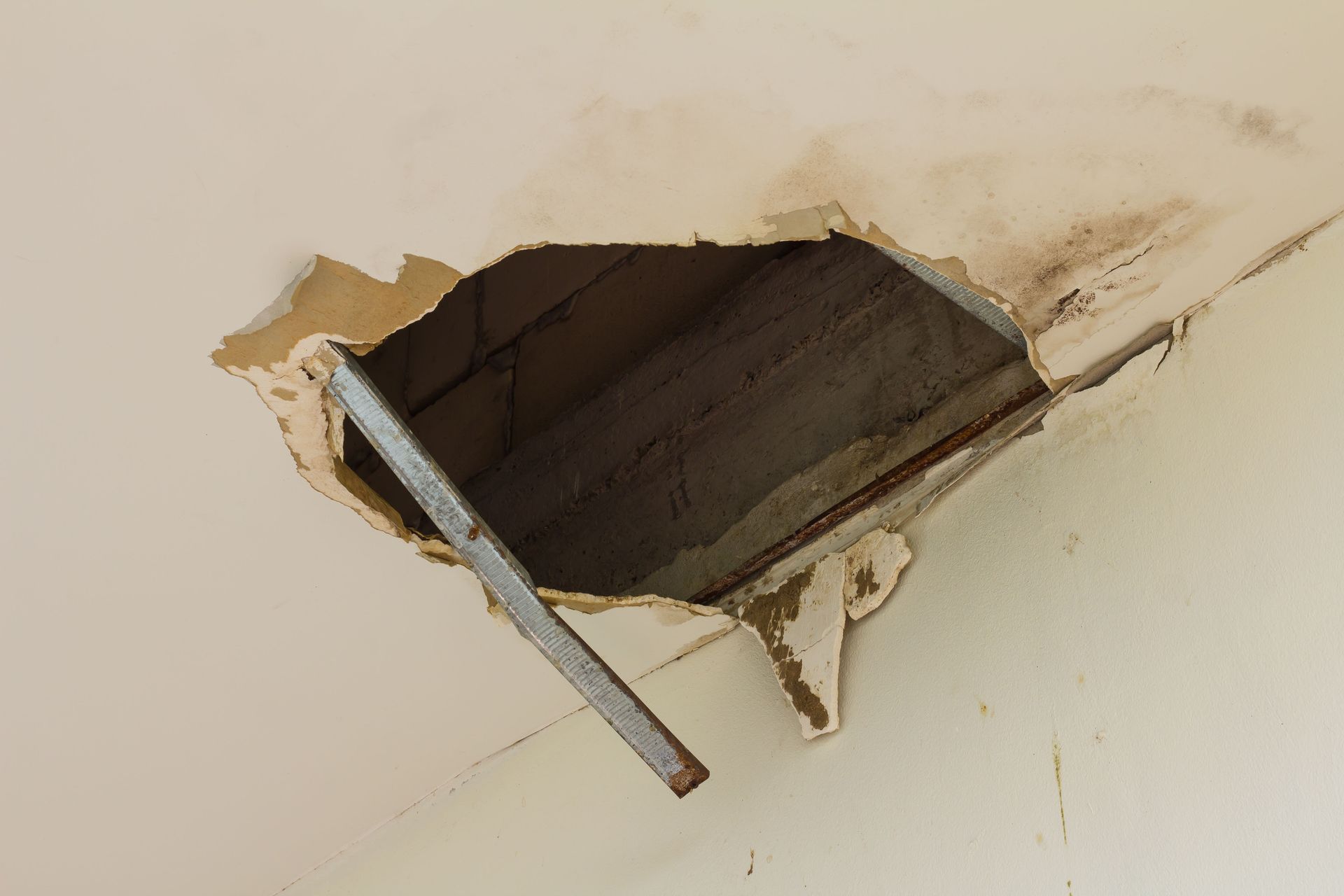
- Water Stains on Ceilings or Walls: Leaks can leave brownish or yellowish marks on your ceilings or walls. According to Service Titan, 40% of roof complaints are related to leaks.
- Peeling or Bubbling Paint: Excess moisture from a damaged roof can cause paint to bubble or peel inside your home.
- Mold or Mildew Growth: Persistent moisture from roof leaks creates the perfect environment for mold, which can negatively affect your health and the integrity of your home.
If you notice these interior warning signs, it's crucial to act quickly. Roof repair at this stage can prevent further water damage and expensive structural problems.
Check Your Attic
Your attic provides an excellent vantage point for assessing roof health. Regular attic inspections can reveal hidden problems before they escalate:
- Daylight Through Roof Boards: If you notice sunlight peeking through the roof boards, it's a clear sign that your roof has gaps or holes.
- Water Marks and Wet Insulation: Wet insulation or water stains on attic rafters indicate a leak that needs immediate attention.
- Excessive Heat or Cold: Poor insulation due to roof damage can make your attic excessively hot in summer or cold in winter, impacting your energy bills.
Inspecting the attic twice a year — once in the spring and once in the fall — can help you catch potential issues early. Safety is important, so consider using proper lighting and protective gear while conducting these inspections.
Evaluate Shingle Condition
Shingles are your roof's first line of defense against the elements. Their condition can reveal a lot about the overall health of your roof:
- Cracked or Curling Shingles: Shingles that are warped or cracked indicate weathering and aging, which may require partial or full roof repair.
- Granule Loss: If you notice granules from asphalt shingles in your gutters or around your home, it's a sign that the shingles are deteriorating.
- Loose or Missing Shingles: Shingles that come loose or fall off can leave your roof vulnerable to water damage and pests.
Shingle damage is often caused by storms, heavy winds, or general aging. Regularly checking for these issues can extend your roof's lifespan and prevent the need for complete replacement.
Assess Flashing and Gutters
While shingles are the most visible part of your roof, the supporting components like flashing and gutters are equally important:
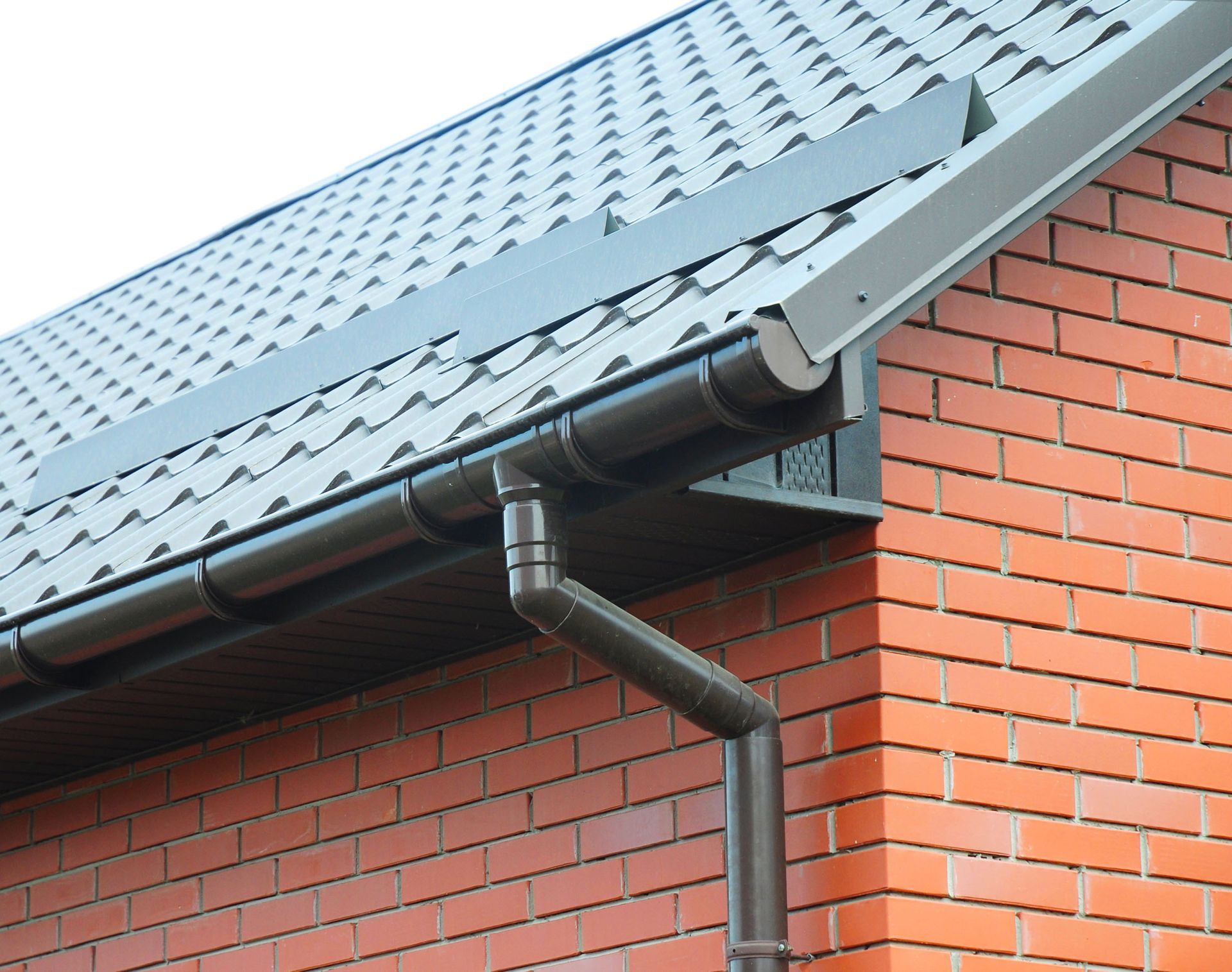
- Damaged Flashing: Flashing is the metal material around chimneys, vents, and skylights. Rusted, cracked, or lifted flashing can allow water to seep in, causing leaks and structural damage.
- Clogged or Broken Gutters: Gutters help divert water away from your roof and foundation. Blockages or damage can lead to water pooling on the roof, increasing the risk of leaks and rot.
- Water Stains Around Roof Penetrations: Areas around chimneys, vents, and skylights are particularly vulnerable. Stains or water marks indicate that the flashing may need repair.
Maintaining flashing and gutters is often overlooked, but it can make a significant difference in preventing costly roof repairs.
Consider Roof Age and Material
Not all roof problems are caused by sudden damage. Age and material type play a significant role in determining when you need roof repair:
- Roof Lifespan: In our experience, most asphalt shingle roofs last 20–25 years, while metal, tile, and slate roofs can last longer. If your roof is approaching the end of its expected life, minor repairs may no longer be sufficient, and replacement could be necessary.
- Material-Specific Issues: Each roofing material has unique vulnerabilities. Asphalt shingles may crack or lose granules, metal roofs may rust, and tile roofs may crack or break. Understanding these issues can help you schedule timely inspections and repairs.
Knowing your roof's age and material type allows you to anticipate problems and plan for necessary repairs proactively.
Hire a Professional for Inspection
While homeowners can spot many warning signs, hiring a licensed roofing professional is the most reliable way to determine the condition of your roof. Professional roof inspections provide:
- Comprehensive Assessment: A professional can evaluate the roof's structure, shingles, flashing, gutters, and other components, identifying issues that may not be visible from the ground.
- Accurate Repair Estimates: Contractors can provide detailed estimates, including the scope of repairs and associated costs, helping you make informed decisions.
- Peace of Mind: Knowing your roof is thoroughly inspected and any needed repairs are professionally handled reduces the risk of future damage and safety hazards.
A professional inspection is especially recommended after major storms or if you notice signs of leaks, sagging, or visible damage.
Schedule Timely Roof Repairs
Once you've identified the signs that your roof needs attention, prompt action is crucial. Timely roof repair offers several advantages:
- Prevent Further Damage: Addressing leaks, broken shingles, or damaged flashing quickly can prevent water from seeping into your home, protecting walls, ceilings, and insulation.
- Save Money: Small repairs are significantly less expensive than full roof replacements. Fixing minor issues early can save thousands of dollars in the long run.
- Extend Roof Lifespan: Regular maintenance and timely repairs can add years to your roof's life, ensuring long-term protection for your home and family.
Ignoring roof damage, even minor issues, can lead to severe consequences. Prompt repair not only preserves your home's value but also ensures your family's safety and comfort.
Recognizing when you need roof repair is essential for every homeowner. From visible damage and interior water stains to shingle deterioration, flashing issues, and roof age, there are many indicators that shouldn't be ignored. Regular inspections, both by homeowners and professionals, are the key to catching problems early and minimizing costly repairs. Roof maintenance isn't just about protecting your home — it's about protecting your investment, your comfort, and your peace of mind. For reliable, professional roof repair, contact Basswood Roofing LLC to ensure your home remains safe, secure, and well-maintained.