December 17, 2025
Professional roof repairs involve much more than replacing shingles or patching leaks. A proper repair requires a structured approach to diagnose underlying issues, stabilize the roof's structure, and restore full functionality. According to This Old House, you should have your roof inspected once a year or after any extreme weather event, making it critical to understand what a professional repair entails and why it's more than just cosmetic work. Understanding each step empowers homeowners to protect their investment, prevent recurring problems, and extend the lifespan of their roof.
Assessing for the Initial Roof Assessment
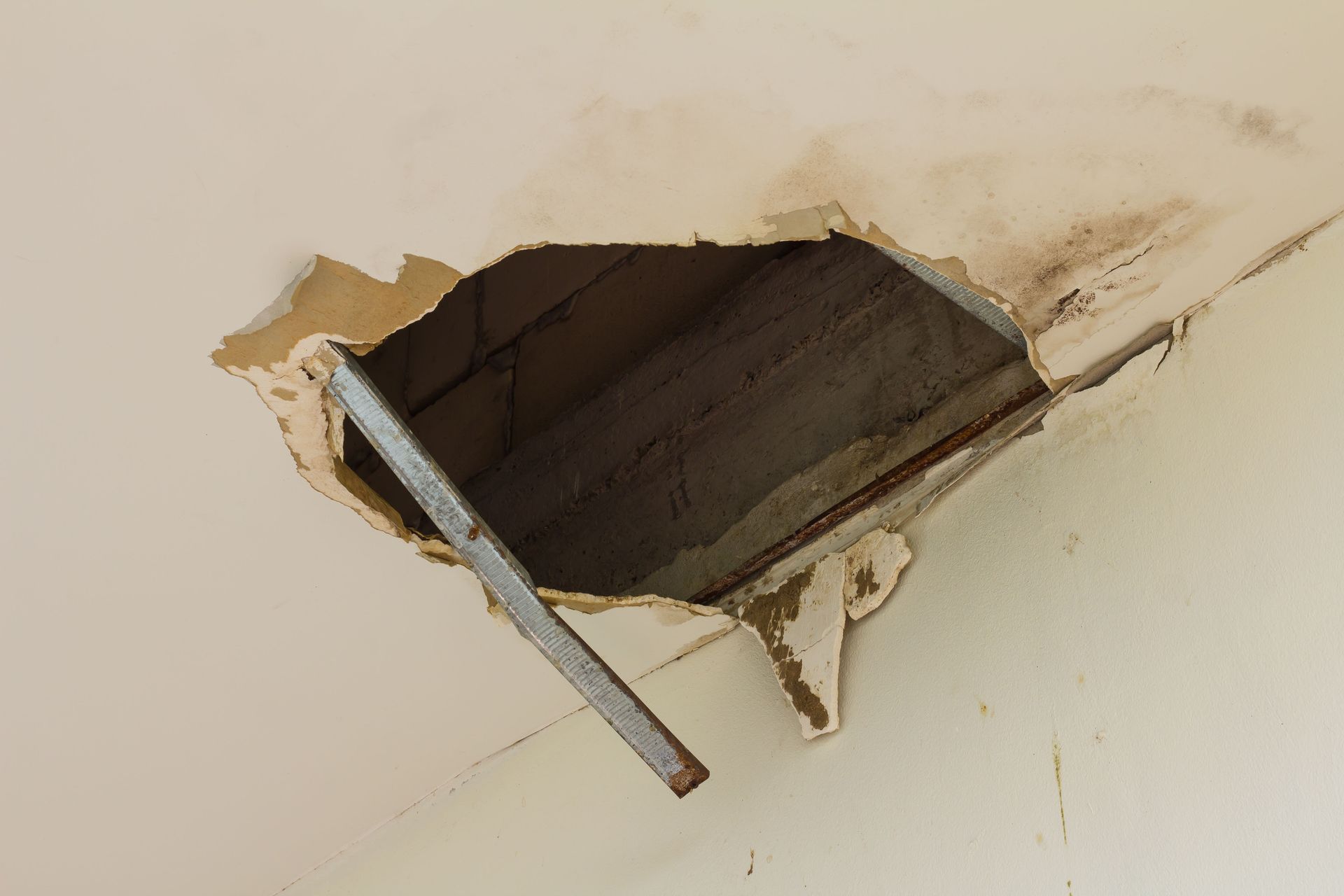
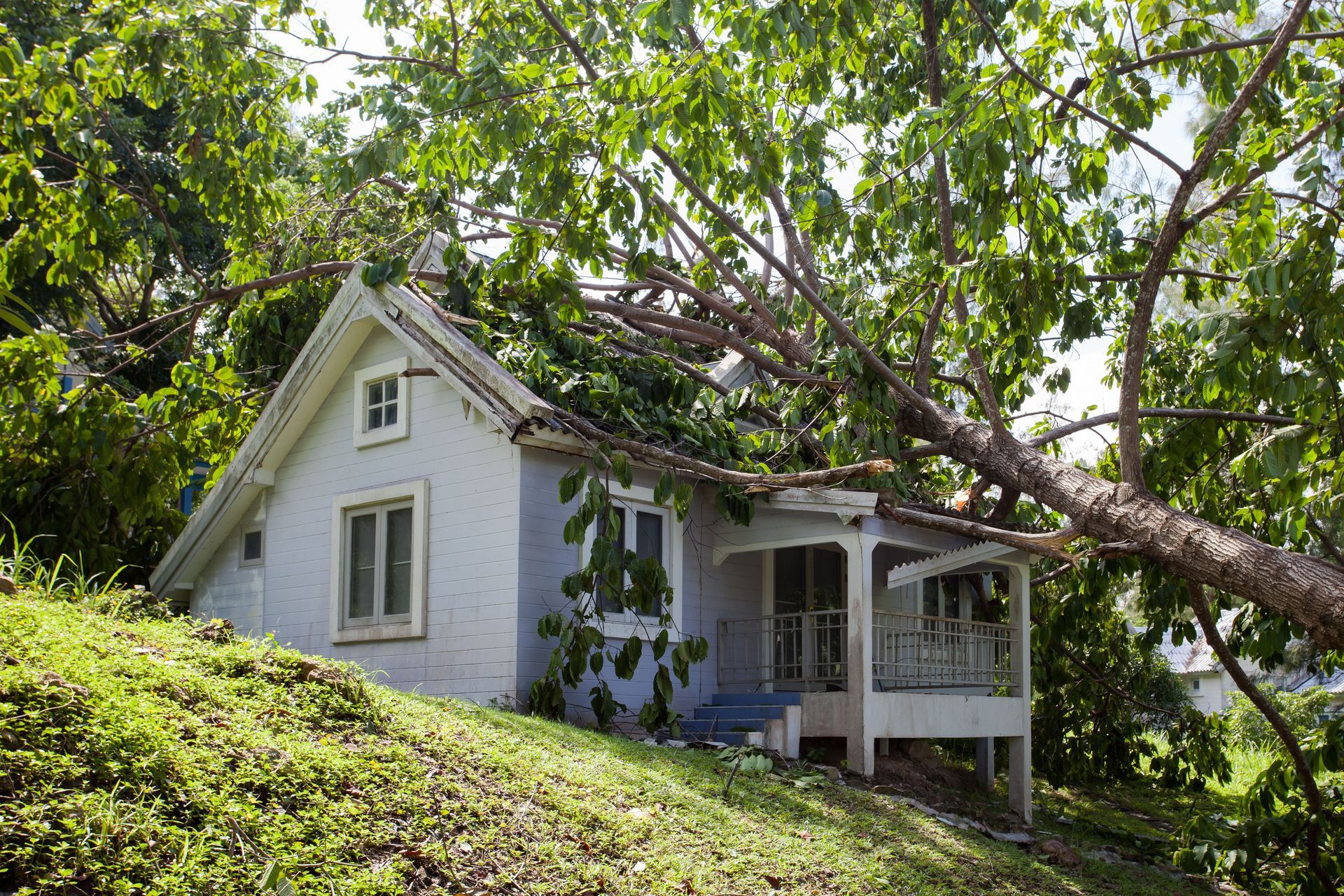
The first step in any professional roof repair project is a thorough assessment that identifies both visible and hidden issues. Homeowners typically reach out to a roofing contractor when they notice signs such as leaks, missing shingles, granule loss, sagging areas, or storm-related damage. Prompt scheduling is important because untreated problems can escalate quickly, leading to water intrusion, structural decay, or attic damage. Before the inspection, a contractor may review your roof's history, including age, prior repairs, and recent weather events, to prepare for a detailed evaluation.
During the inspection, roofers conduct a methodical assessment of the entire roof system. They examine shingle adhesion, flashing seams, step flashing around chimneys, vent penetrations, drip edges, attic ventilation, and any evidence of water intrusion or soft spots on the roof deck. Professionals often use moisture meters, infrared cameras, or drones to detect hidden damage. Once the inspection is complete, the contractor provides a detailed report outlining the issues found and the recommended roof repairs. A discussion follows, helping homeowners understand which repairs are critical, which are preventative, and how material selection affects durability and cost.
Preparing the Property for Roof Repairs
Before any repair work begins, proper preparation ensures safety, efficiency, and compliance. Roofers typically manage the permitting process when structural repairs, large-scale tear-offs, or extensive material replacements are required. Obtaining the correct permits protects homeowners from legal issues and ensures the repair meets building codes.
Selecting roofing materials is another essential step. This choice is about more than aesthetics; it's about performance and longevity. Contractors help homeowners select materials suited to their climate and roof condition. For instance, impact-resistant shingles may be recommended in storm-prone regions, reflective shingles for heat management, or upgraded underlayment to prevent moisture penetration. Proper material selection ensures the roof repairs address the root cause of the problem, not just the visible symptoms.
Preparing the property also involves protecting landscaping, clearing access points, and covering attic areas susceptible to debris or dust. By coordinating these details ahead of time, roofers can work efficiently, reduce the risk of accidental damage, and maintain a clean, organized site during the repair process.
Executing the Roof Repair Work
Once preparations are complete, the roofing team begins the repair process with a series of precise, coordinated steps designed to restore the roof's integrity.
The first stage is removing damaged or deteriorated materials. This involves carefully tearing off old shingles, underlayment, and any compromised flashing. Roofers expand the removal area until only solid, dry materials remain, ensuring the new installation has a stable foundation. This step prevents hidden moisture from compromising the repair and avoiding future leaks.
After the tear-off, the roof deck and structure undergo a detailed inspection. Professionals check for rot, delamination, sagging areas, and other signs of structural weakness. If damage is found, it is repaired immediately. This may include replacing sections of the deck, reinforcing rafters, or rebuilding compromised eaves. Addressing these issues is critical because a weak deck can undermine the longevity of any roof repairs. Roofers also assess ventilation, correcting airflow issues that could lead to trapped moisture and accelerated wear.
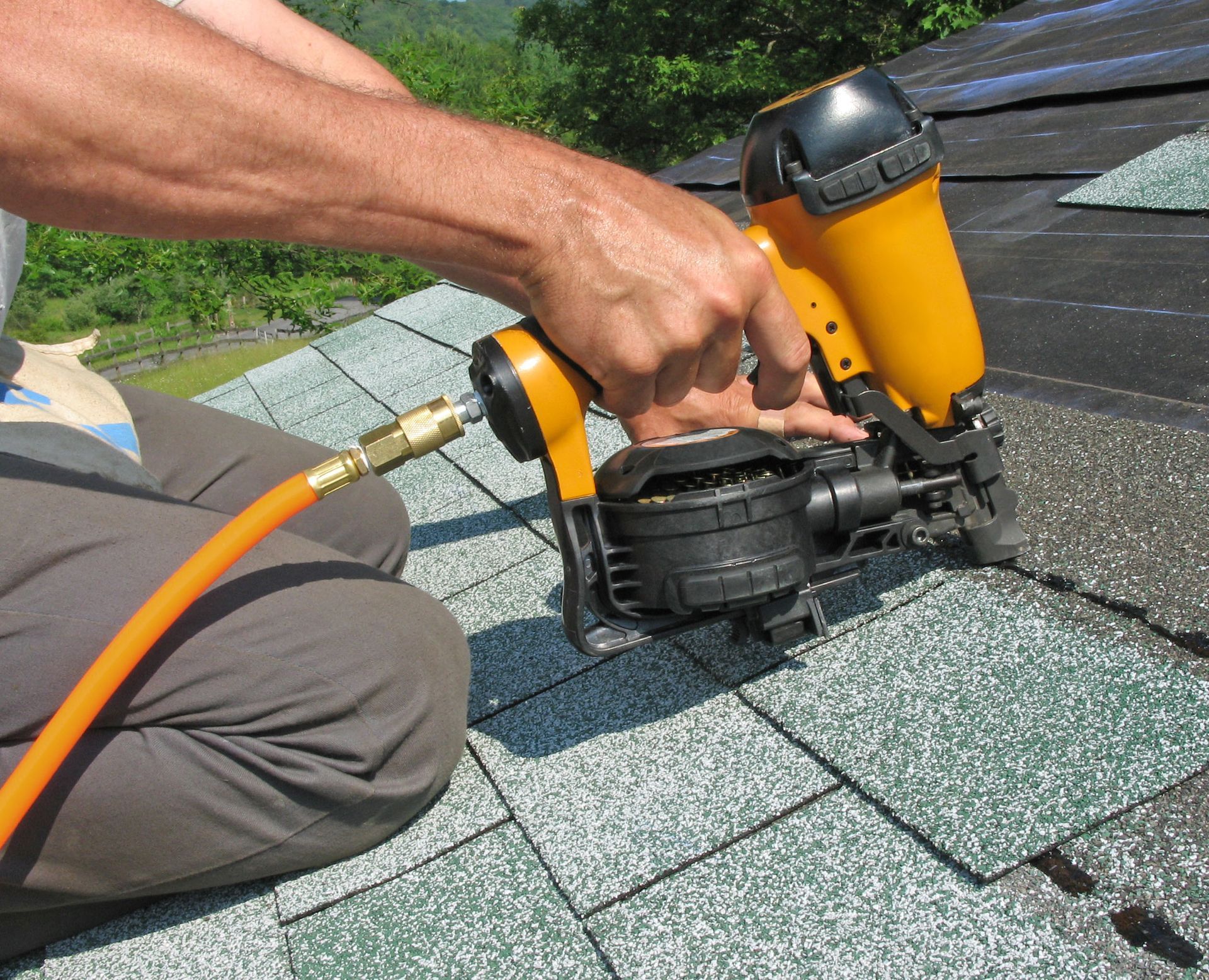
Once the structure is sound, crews install new materials following the manufacturer's specifications. Shingles are carefully aligned, flashing is replaced or resealed, and underlayment is installed to prevent water infiltration. Sealants are applied to critical junctions, ensuring the roof is fully waterproofed. Attention to these details separates a temporary fix from a professional repair that will last decades.
Ensuring Quality During and After Roof Repairs
Quality control is a continuous process throughout any roof repair project. Contractors perform in-progress inspections to confirm that shingles are properly installed, flashing is correctly integrated, and underlayment overlaps meet manufacturer standards. Any discrepancies are corrected immediately to prevent future issues.
After installation, sealing and waterproofing are completed to protect the roof from rain, snow, and ice. Roofing professionals ensure that nail heads are properly set, flashing seams are fully sealed, and all vulnerable areas are reinforced. This level of precision ensures that the roof repairs are not only functional but also durable, capable of withstanding the elements for years.
Finally, the contractor conducts a thorough final inspection. Every section of the roof is reviewed, and any remaining concerns are addressed. Homeowners receive a complete project report, including warranty information, material specifications, and maintenance recommendations. This documentation provides peace of mind and ensures accountability, confirming that the roof is repaired to professional standards.
Maintaining Your Roof After Repairs
Even after professional roof repairs are complete, ongoing maintenance is essential to preserve the investment. Understanding warranties and guarantees allows homeowners to know exactly what is covered, how long coverage lasts, and which maintenance steps must be performed to keep the warranty valid.
Routine maintenance helps identify minor problems before they become costly repairs. Homeowners should follow a regular inspection schedule, cleaning gutters, checking for damaged shingles after storms, and monitoring the attic for signs of moisture. According to This Old House, annual inspections or post-storm evaluations are highly recommended to ensure that the roof continues performing as intended.
Preparing for future weather impacts is also critical. Storm-resistant materials, upgraded sealants, and proper ventilation help the roof withstand seasonal challenges. Proactive measures minimize the need for future roof repairs and extend the overall lifespan of the roofing system.
Understanding Costs and Long-Term Value of Roof Repairs
Cost transparency is an important consideration in professional roofing projects. Factors influencing price include roof size, pitch, complexity, material selection, and structural issues discovered during inspection. Experienced contractors provide detailed estimates that outline the costs of labor, materials, and any structural work, allowing homeowners to make informed decisions without unexpected surprises.
Financing options and payment plans can make necessary roof repairs more manageable, especially for larger projects or emergency storm damage. Flexible plans may include staged payments or credit options, ensuring homeowners can access quality repairs without undue financial strain.
Investing in professional roof repairs also has long-term value. High-quality repairs improve energy efficiency, prevent interior water damage, and increase property value. Durable materials and proper installation reduce the likelihood of repeated repairs, ultimately saving homeowners money over the life of the roof.
Professional
roof repairs are a detailed, technical process designed to restore structural integrity, prevent future damage, and protect your home. From initial assessment to final inspection and ongoing maintenance, every step plays a vital role in ensuring the roof performs reliably for years to come. Homeowners who understand these processes can make informed decisions, avoid recurring problems, and extend the life of their roof.
If your roof shows signs of damage or it's time for your annual inspection, contact a trusted roofing professional today to schedule a thorough evaluation and secure long-lasting protection for your home.